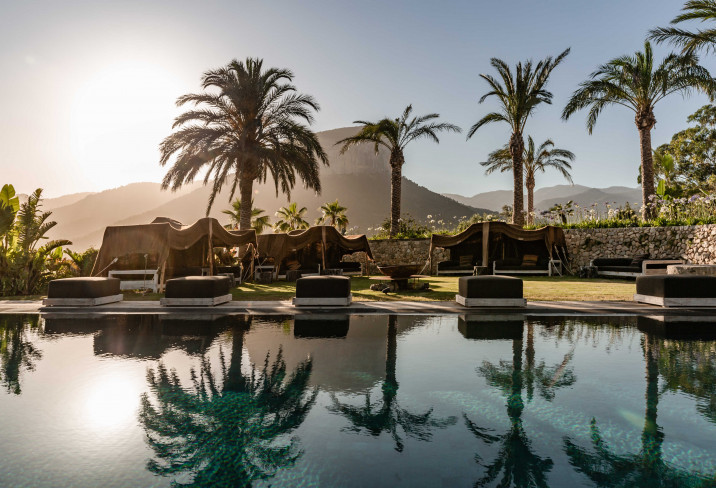
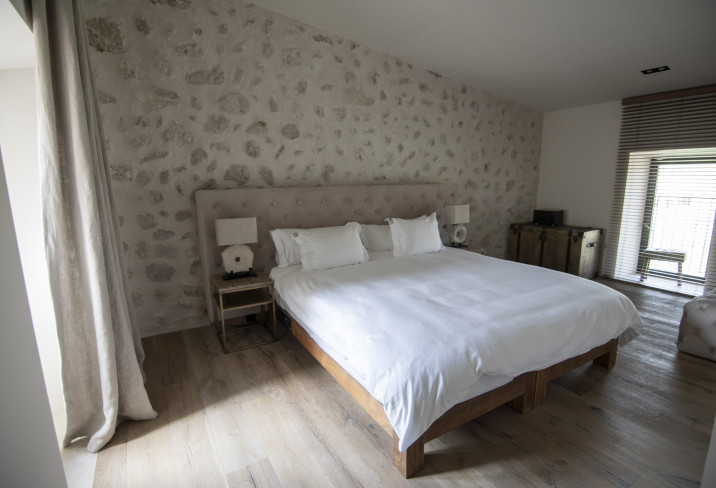
Work Services Process Tsulgi Blog Contact
Flagship Articles

Properties Worth Reading About

We visit the space. We shoot it, post it, and write the definitive article. These are the properties we've covered — in full.

Malibu Beach Inn on the Pacific
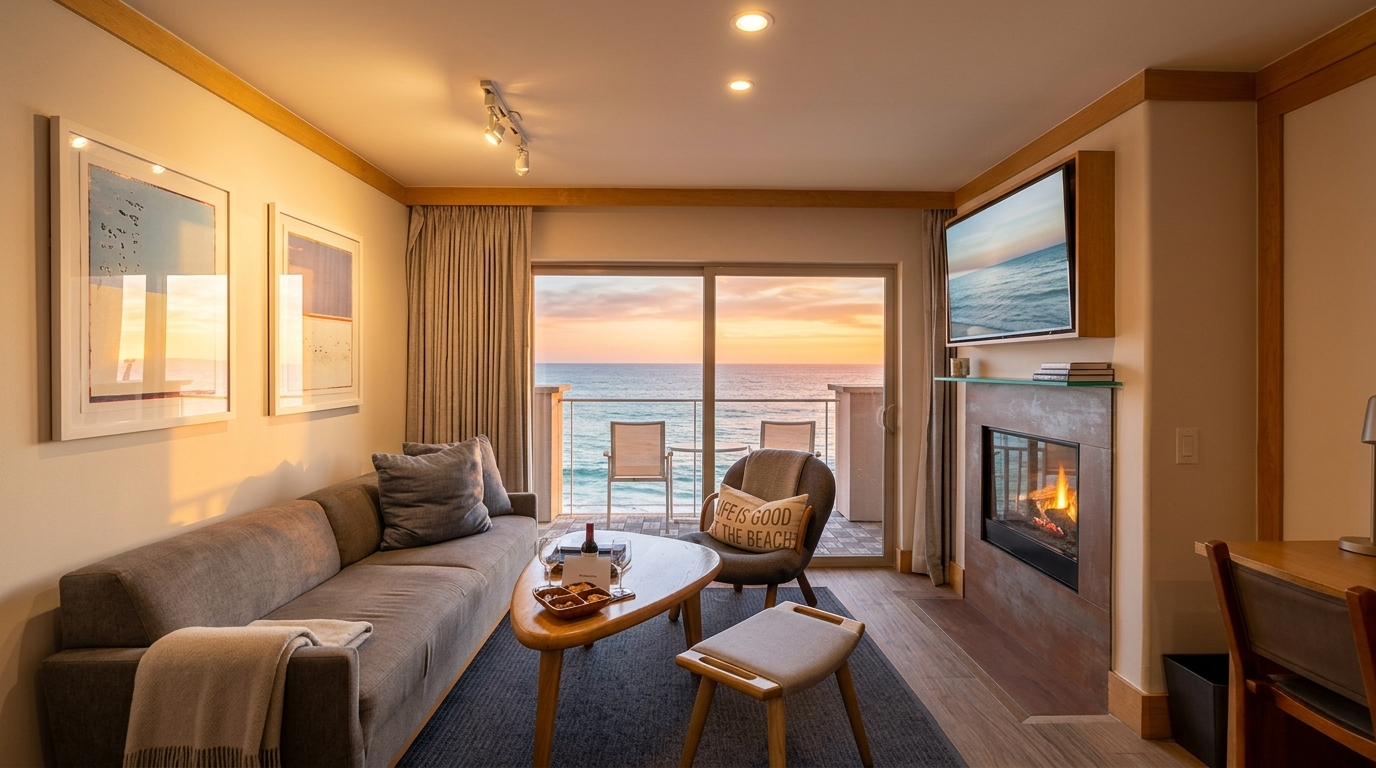
Malibu Beach Inn living room with fireplace
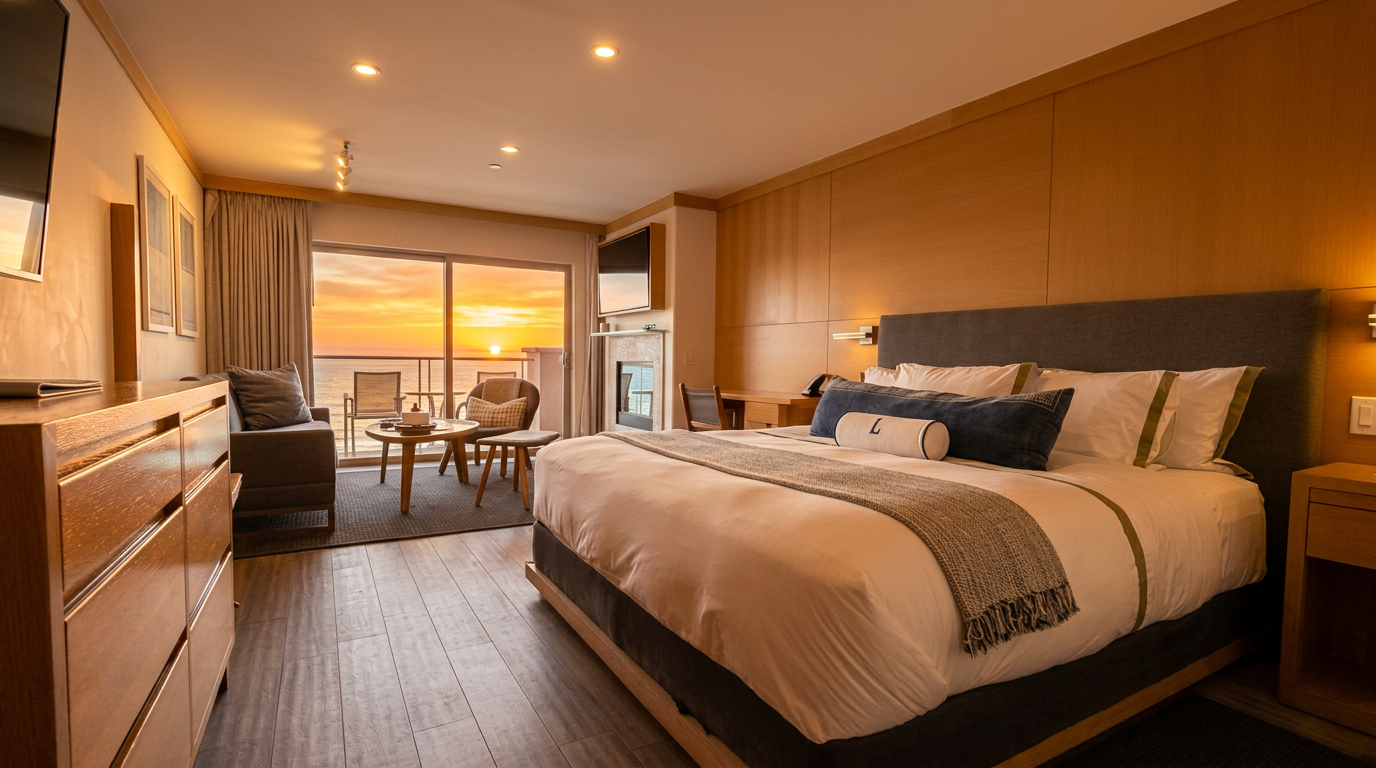
Malibu Beach Inn king suite bedroom
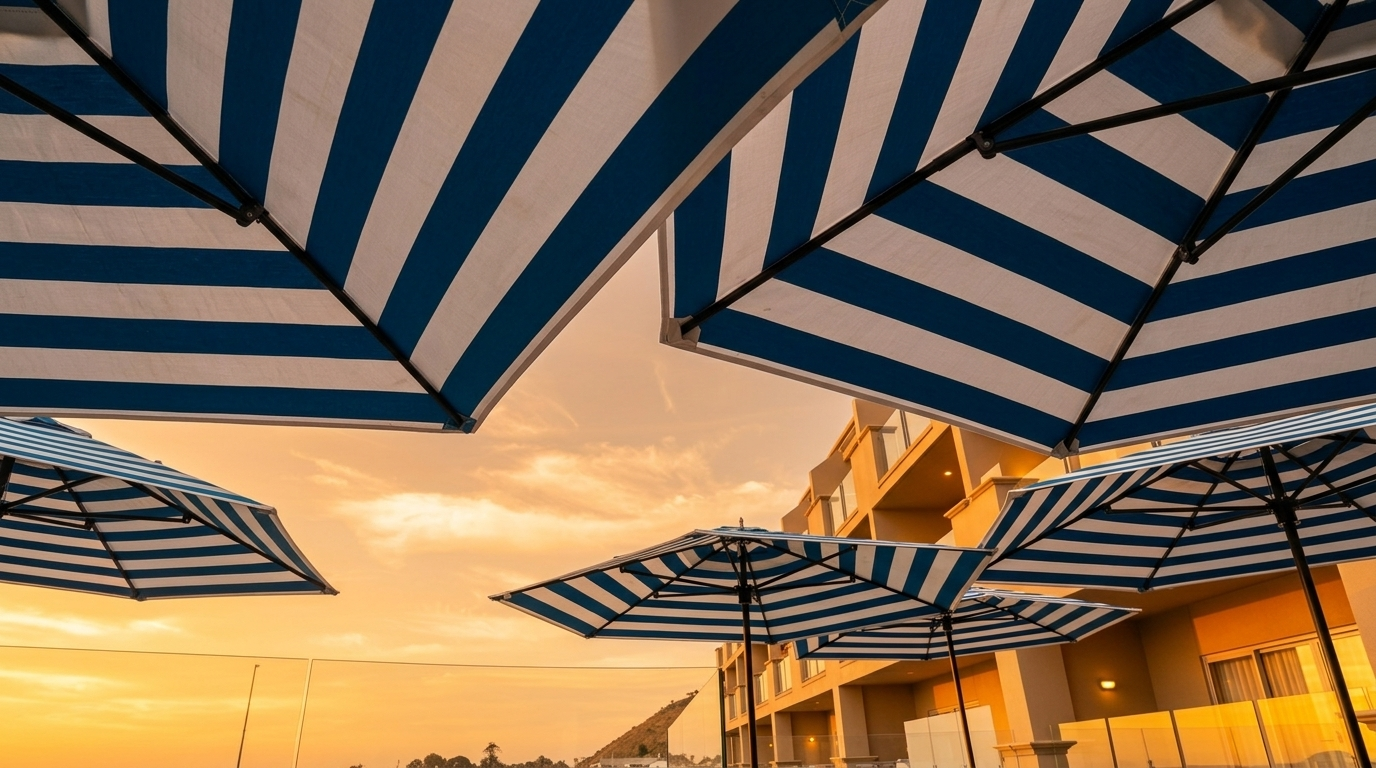
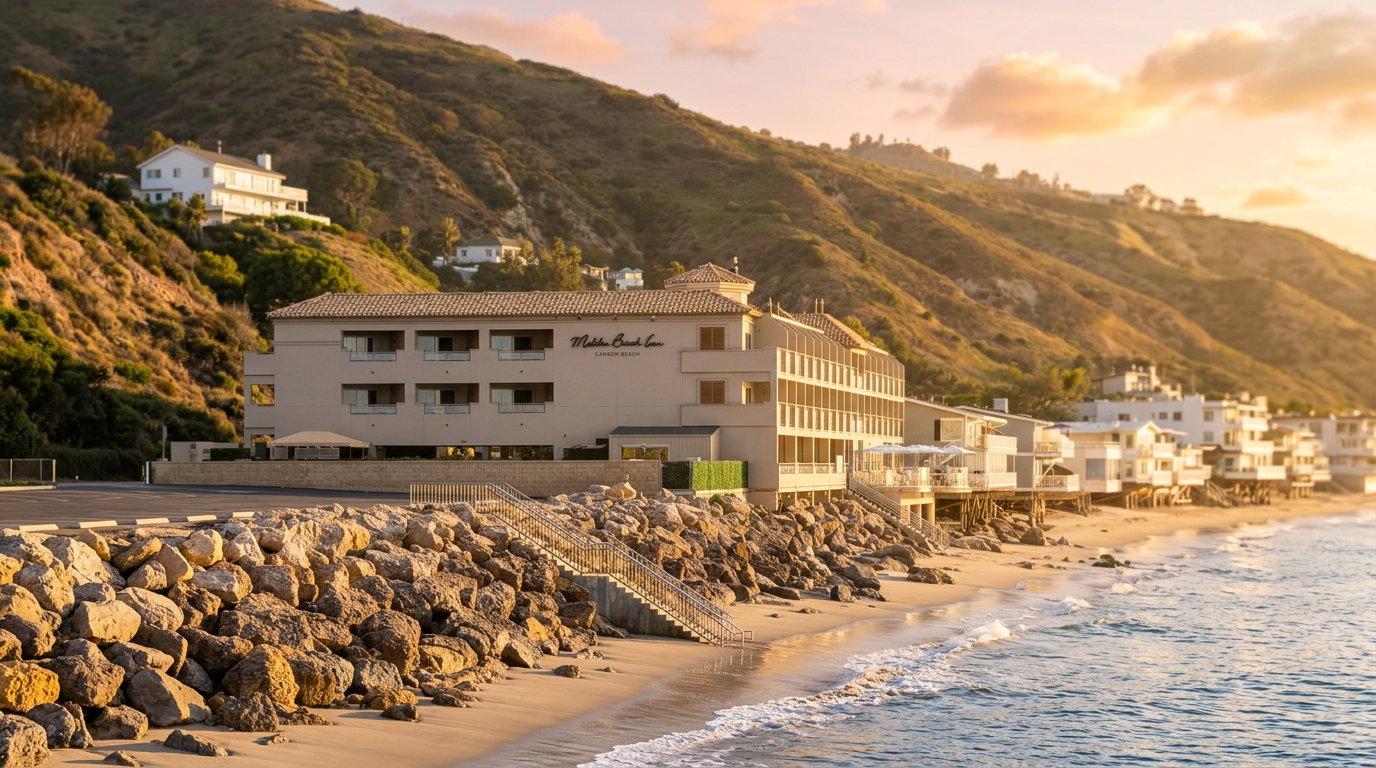
Malibu Beach Inn beach at sunset

Malibu Beach Inn

Pacific Coast Highway — Malibu, California

Pacific Coast Highway does not prepare you for Malibu Beach Inn. The inn sits directly on the highway, which sits directly on the beach, which sits directly on the Pacific. No buffer zone, no manicured approach, no polite distance from the thing itself. You are not adjacent to the ocean. You are beside it the way you might be beside a person: close enough that its temperament becomes your own.

The rooms have been thought about. Carbon Beach Club positions the Pacific as the dominant element for the duration of every meal. CURE operates at the level the rest of the stay does: clean, considered, and maintained like new. The departure was mildly reluctant, which is the correct emotional register for leaving somewhere that has been genuinely good to you.

Mashpi Lodge — hero
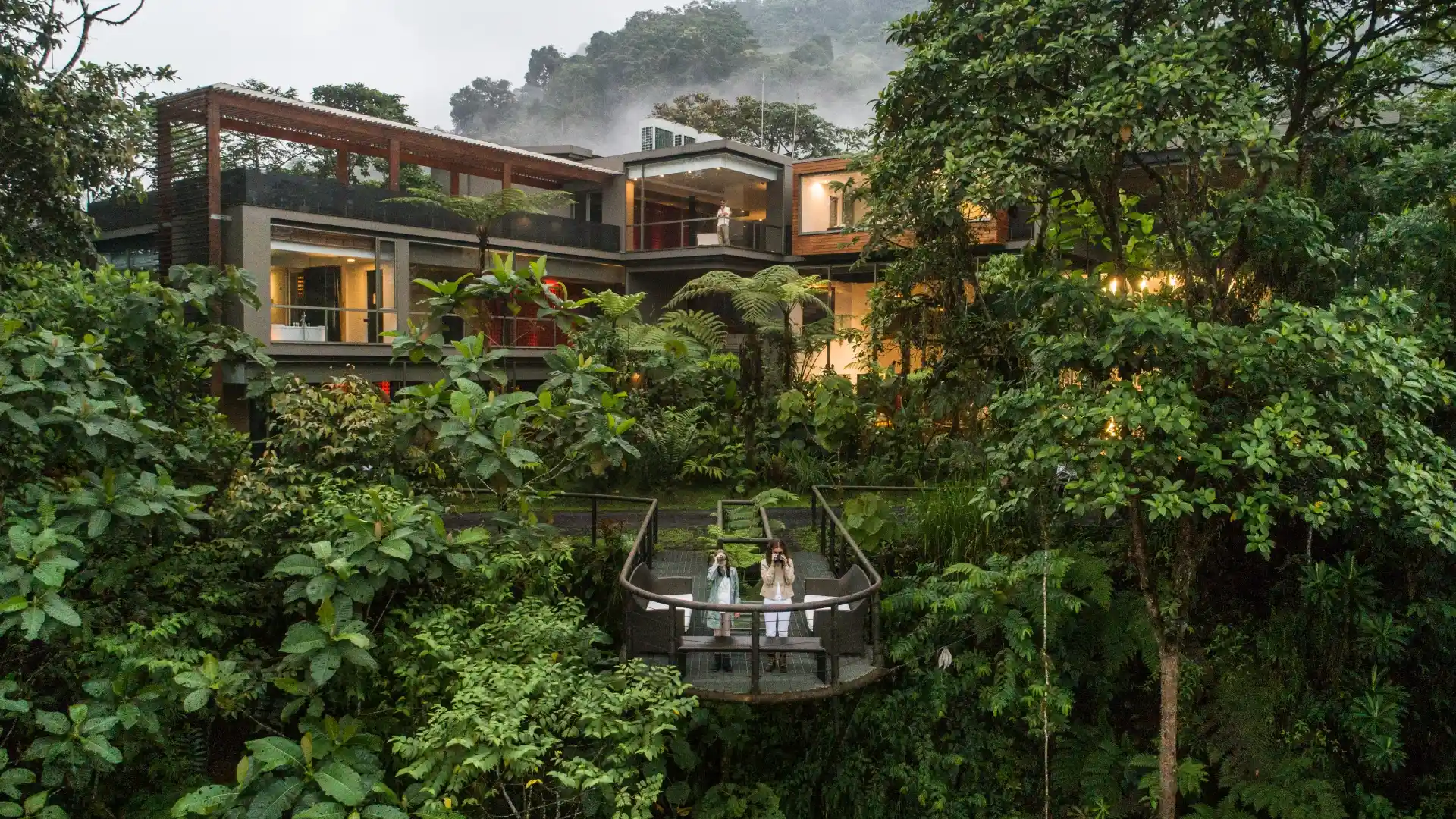
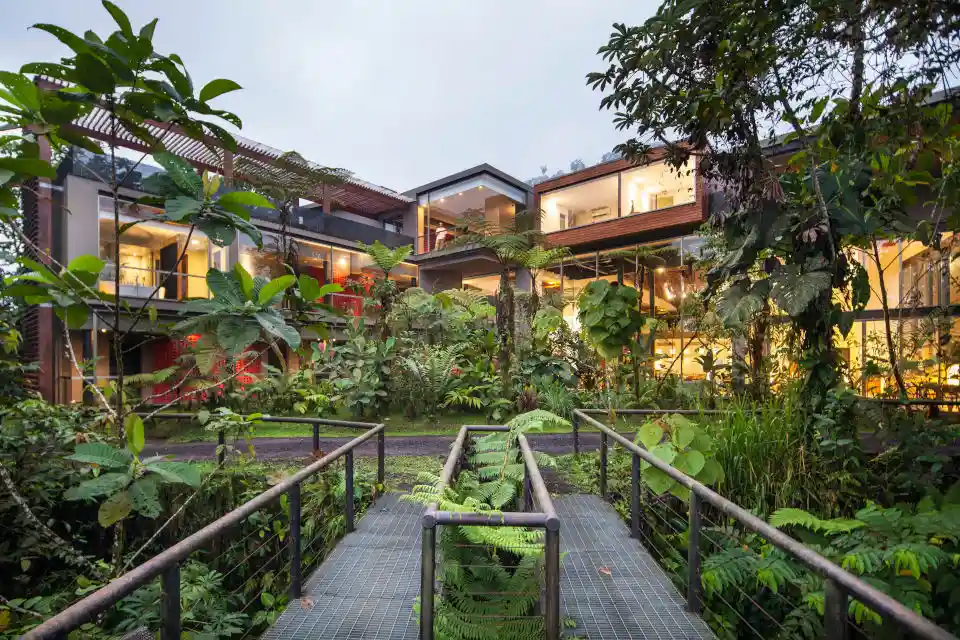
Mashpi Lodge — exterior
Mashpi Lodge — veranda
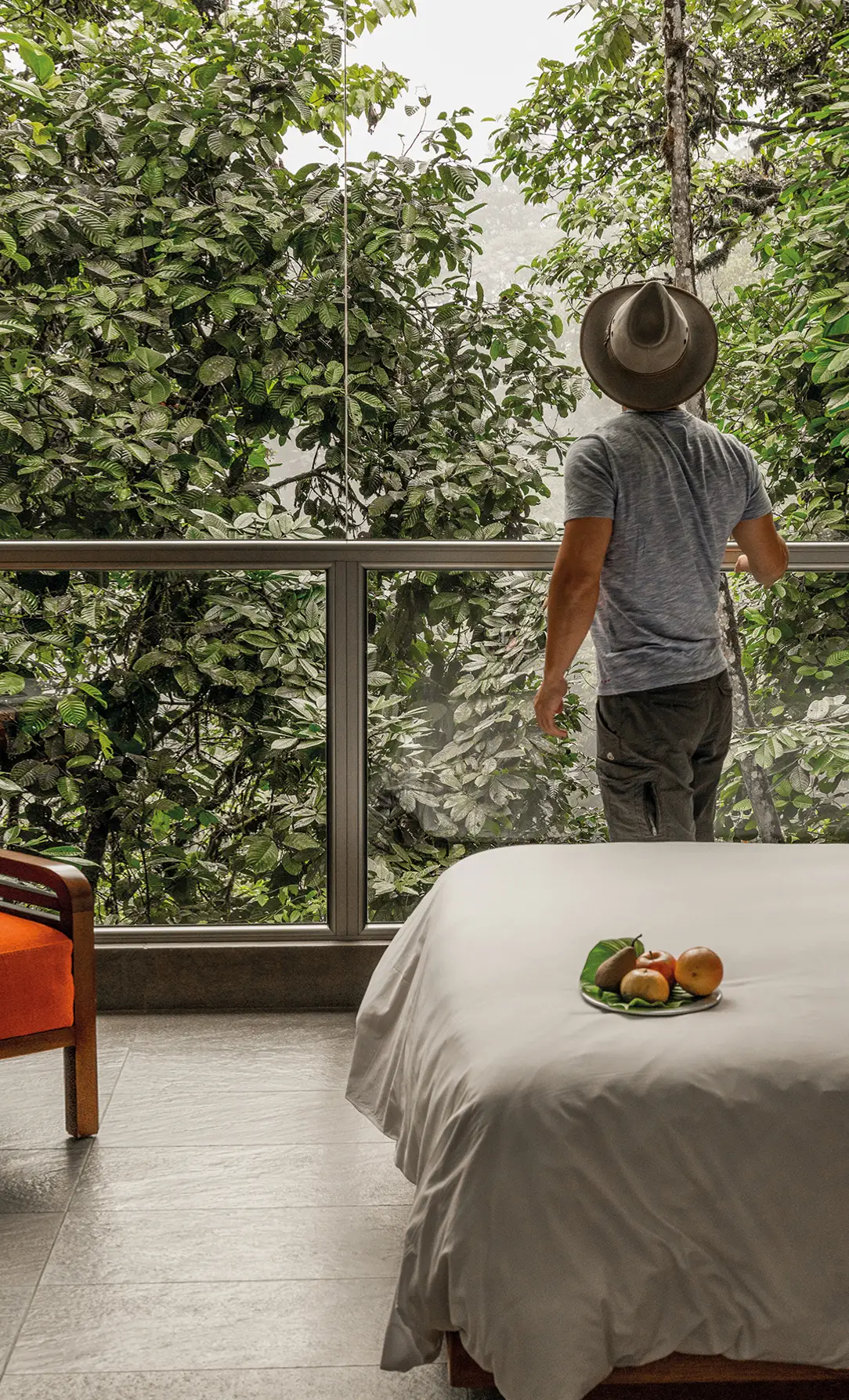
Mashpi Lodge — suite

Mashpi Lodge

Chocó Andean Reserve — Ecuador

The Chocó Andean cloud forest receives over 3,000mm of rainfall per year, which means Mashpi Lodge exists in a state of perpetual mist. The lodge itself — a clean-lined glass-and-steel structure that makes no attempt to hide itself among the trees — appears and disappears as the cloud moves through. This is, we'd argue, entirely intentional. The building was designed by someone who understood that transparency is the only honest gesture a building can make in ancient forest, and that visibility in all directions is the point, not the apology.

Three thousand acres of private reserve, carbon neutral since 2017, actively researched and monitored. A 26-metre observation tower for canopy birding. A cable car — the Dragonfly — traversing the treetop level to areas otherwise unreachable. A butterfly house where species that exist nowhere else in the world reproduce undisturbed. The content opportunities stack rapidly: the lodge at dawn in the cloud, the cable car midway between canopy and sky, bioluminescent fungi only visible after dark. This is a photographer's schedule, not a tourist's one.

What arrests us most about Mashpi is the quality of light that only exists inside cloud — diffused, directionless, extraordinarily soft. There are no harsh shadows here. Everything is even-lit and green and alive. For architecture and interior shooting, it produces images that feel genuinely unlike anything shot at sea level. A rare kind of place.

Mathis Lodge Amed — hero
Mathis Lodge Amed — exterior
Mathis Lodge Amed — pool
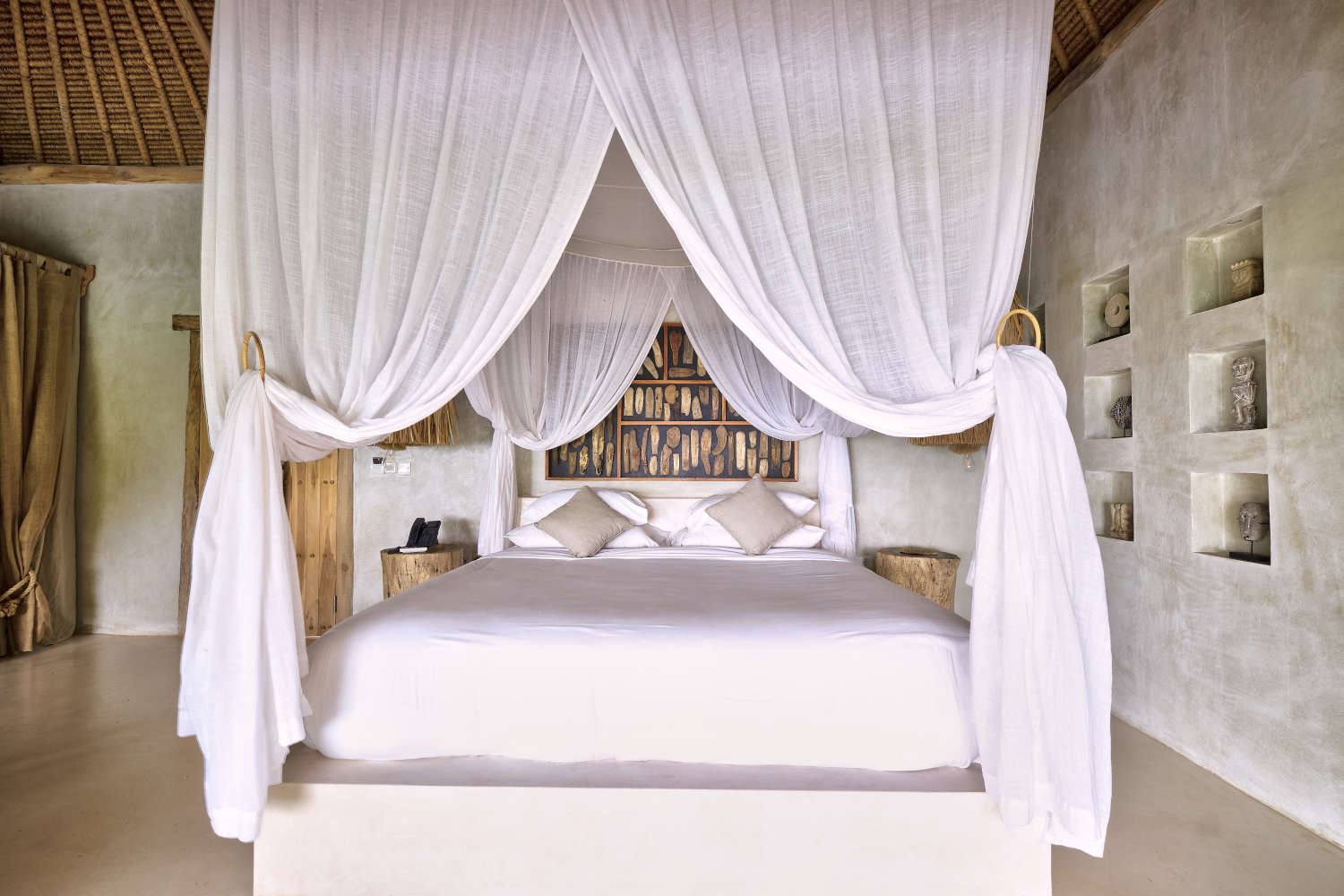
Mathis Lodge Amed — deluxe room

Mathis Lodge Amed

Amed — East Bali, Indonesia

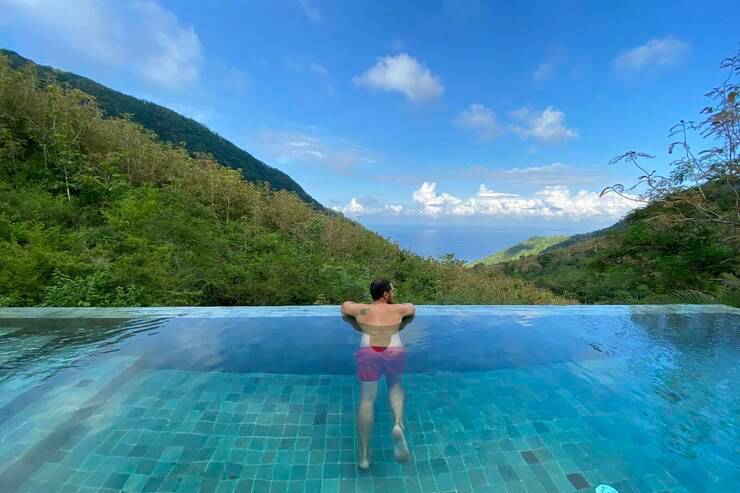
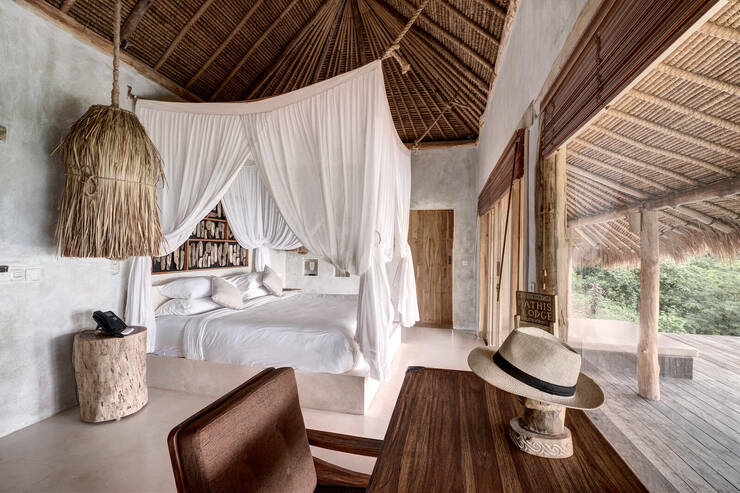
East Bali's coastline bears almost no resemblance to the island's crowded south — Amed is black-sand volcanic shoreline and fishing jukung boats, and Mathis Lodge sits above it all on terraced jungle hillside 400 metres above the Indian Ocean. The 20 standalone thatched lodges are genuinely secluded, each a quiet world of billowing canopy beds and carved teak, with the only sound being the distant surf below. B-Corp certified and largely untouched by mass tourism.

The property was conceived by someone who understood that the greatest luxury in Bali isn't marble and thread count — it's stillness. There's a quality of quiet here that money increasingly can't buy in Seminyak or Canggu. The design reflects that. Nothing shouts. The views do all the work.

This is the kind of space where content practically makes itself — the light off the volcanic sand, the relationship between the architecture and the mountain, the intimacy of a lodge that feels like it belongs to someone rather than to a corporation. Unhurried shooting at its best.

Amankora Punakha — hero
Amankora Punakha — valley
Amankora Punakha — room
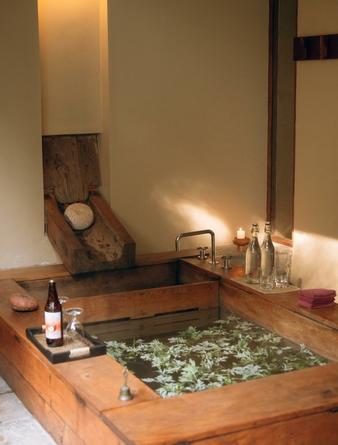
Amankora Punakha — hot stone bath

Amankora Punakha

Punakha Valley — Bhutan

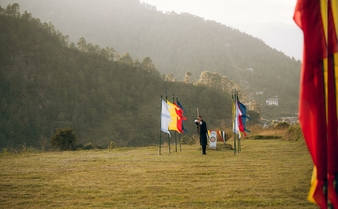
Bhutan is the only country on Earth where entry is deliberately restricted, where tourism is measured not in volume but in value, and where a government once officially prioritised Gross National Happiness over GDP. Amankora Punakha sits inside this philosophy. Located in a valley between the Mo Chhu and Pho Chhu rivers, surrounded by rice paddies and overlooked by the ancient Punakha Dzong, the lodge is almost aggressively peaceful. It earns its calm.

The architecture borrows the vernacular of Bhutanese farmhouses — rammed earth walls, timber framing, deep overhanging eaves — and elevates it without disturbing it. Eight suites, each with a private garden, arrayed along a ridgeline. The colour palette is the landscape itself: ochre, shadow, pine, water. In the morning, mist fills the valley floor and the dzong appears to float. It is one of the more extraordinary sights available to anyone with a camera.

For a studio that believes in content that communicates how a place actually feels, Amankora Punakha poses the best kind of challenge: how do you photograph silence? The answer is patience, a long lens, and a willingness to wait for the light that only arrives once a day.

Villa Sola Cabiati — hero
Villa Sola Cabiati — pool
Villa Sola Cabiati — terrace
Villa Sola Cabiati — lake view

Villa Sola Cabiati

Tremezzina — Lake Como, Italy

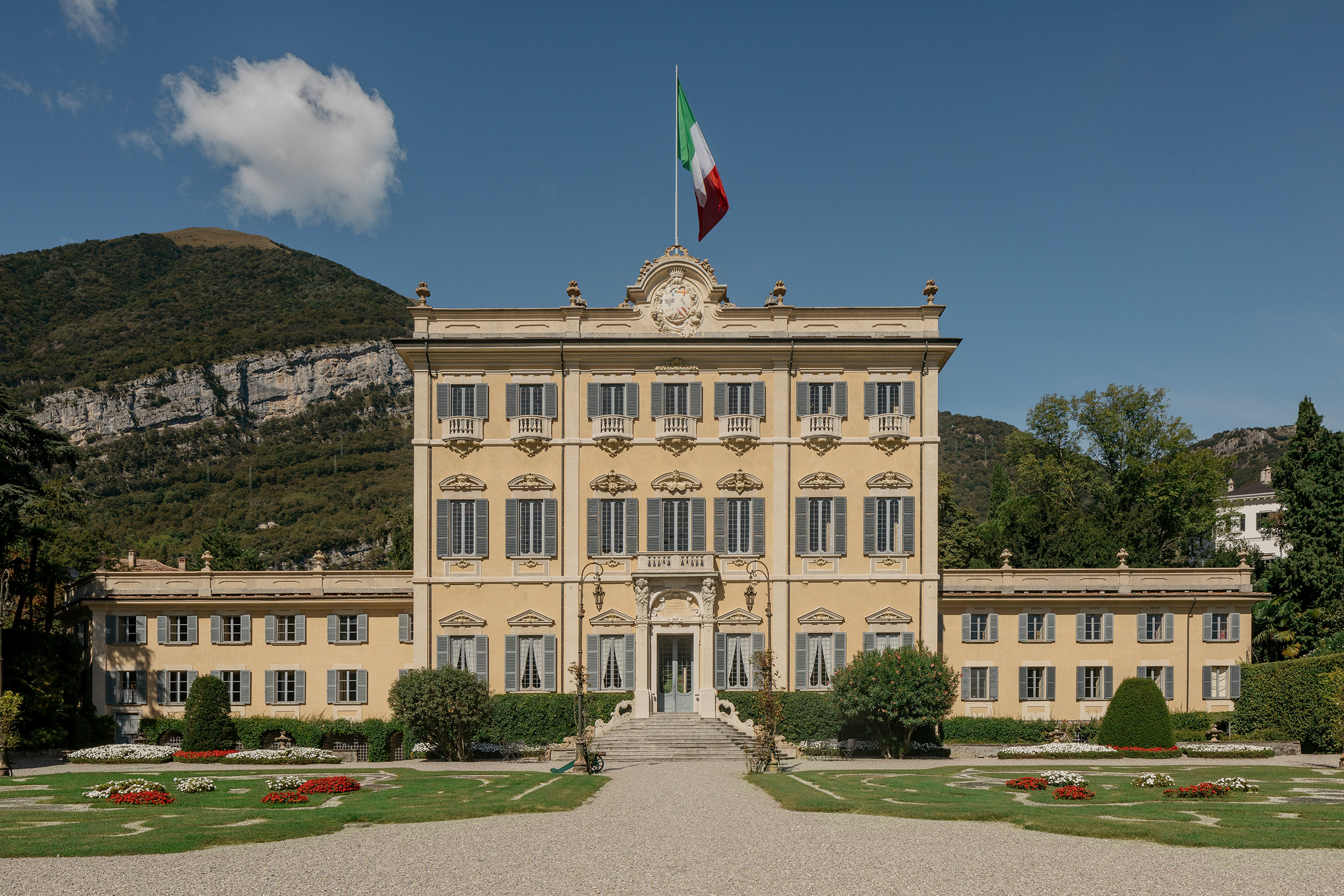
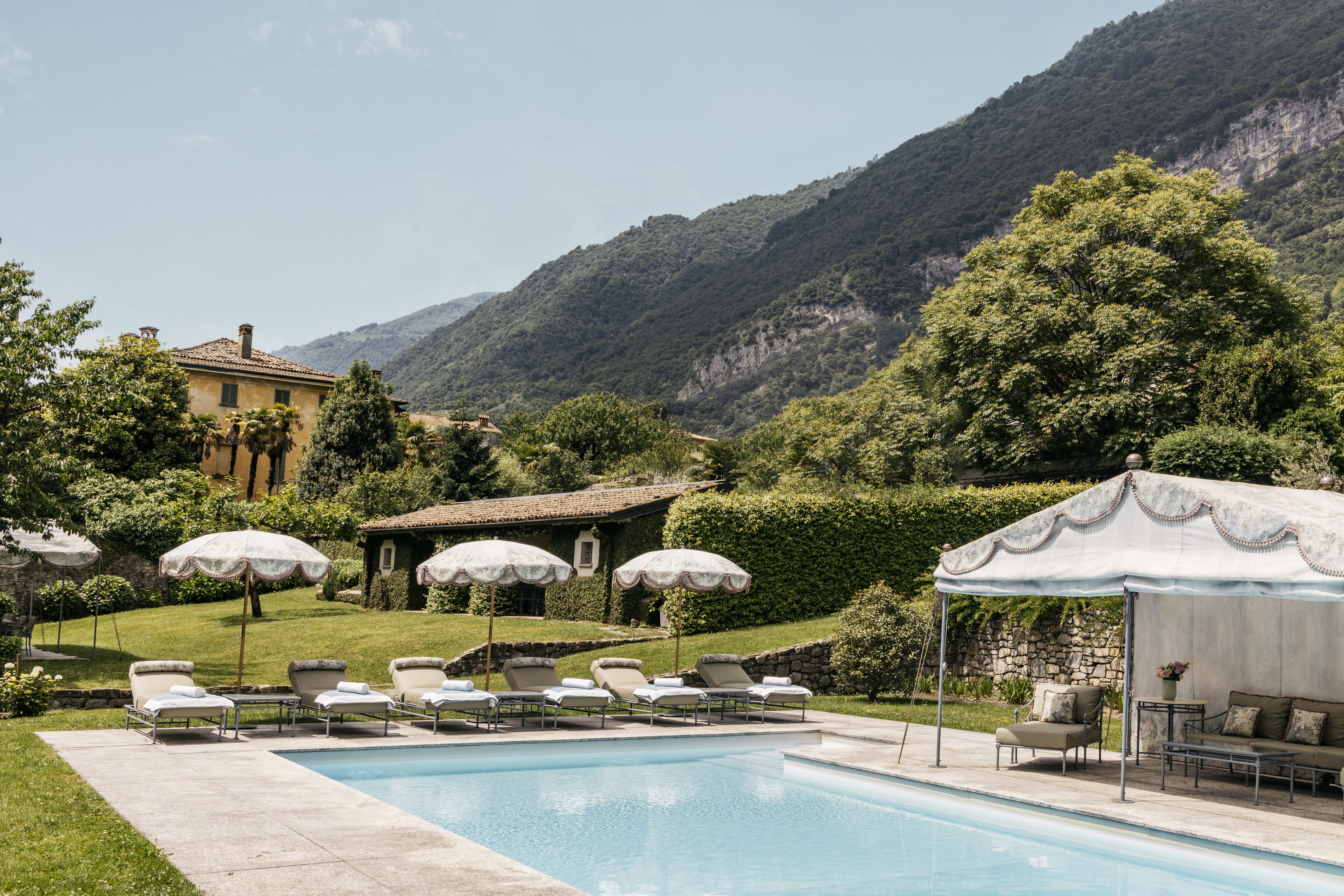
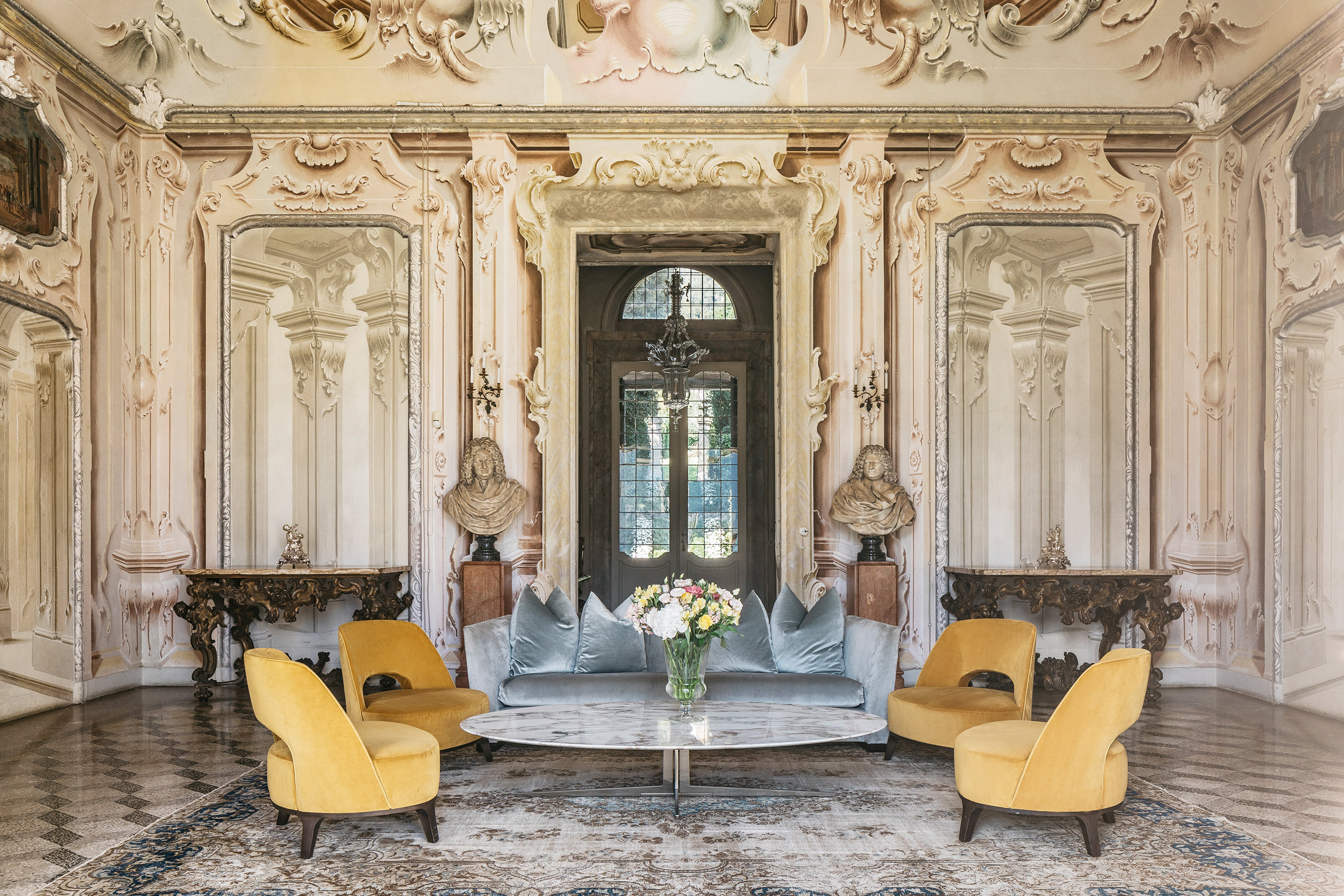
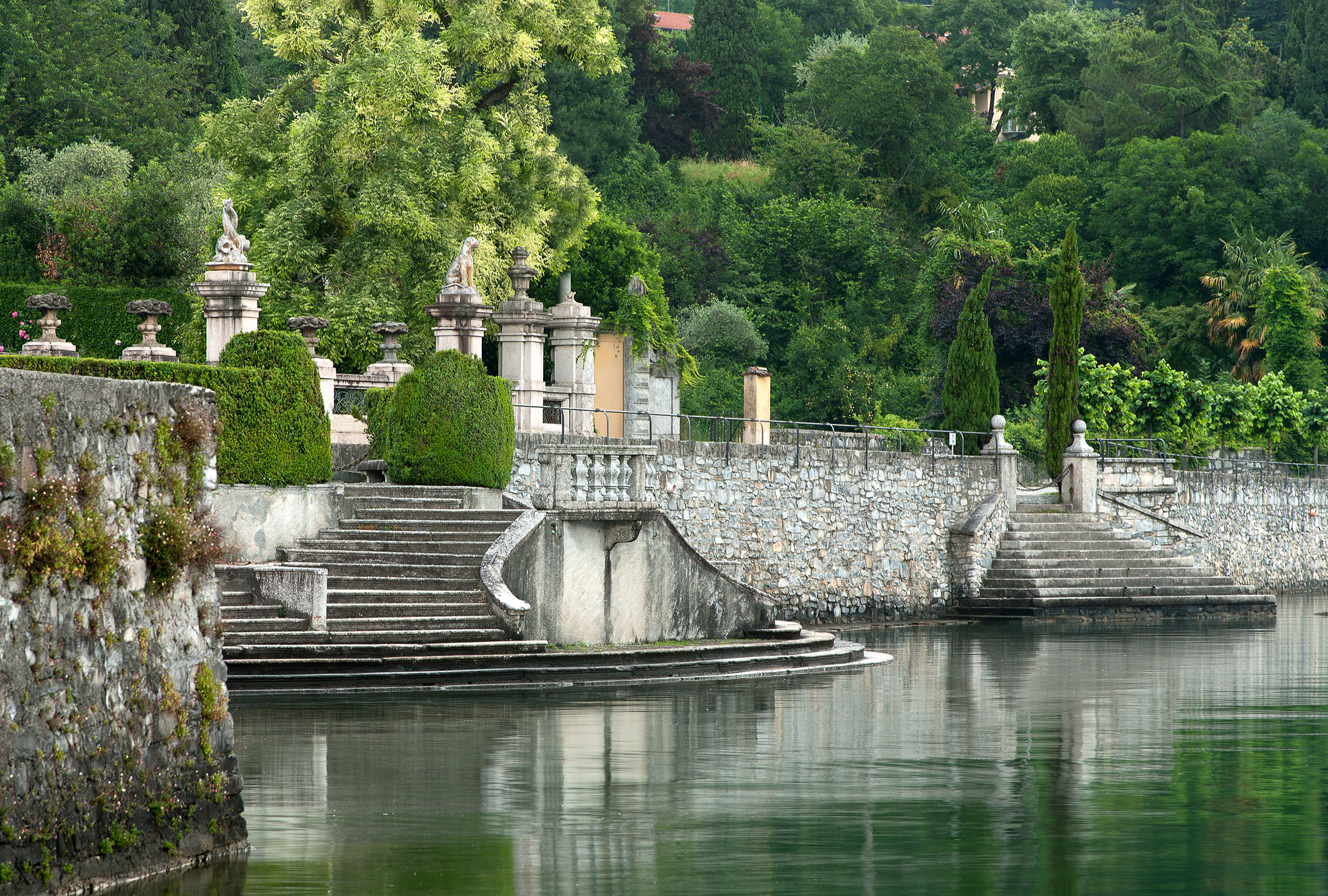
Built in the 18th century and restored to a state that respects the original without being enslaved to it, Villa Sola Cabiati is what happens when an Italian aristocratic villa is handed to people who genuinely understand both history and hospitality. It sits on Lake Como's western shore — private terraced gardens descending to a private dock, frescoed ceilings overhead, the lake at every window. There are six suites. The whole property accommodates twelve guests. The exclusivity is the point.

The visual language here is operatic in the best possible sense: silk damask, original oil paintings, hand-painted tiles, a chandelier that has presumably watched centuries happen beneath it. But step outside onto the terrace and the lake reduces everything to a single, irreducible image — grey-green water, green mountains, white light. Lake Como doesn't compete with architecture. It simply ends the conversation.

This is a property that rewards a two-day production minimum. The morning light off the water, the way it moves through the frescoed rooms around noon, the terrace at dusk — the content opportunities shift completely over the course of a day, and they shift again the next morning. An extraordinary place to work in.

Arctic Bath — hero
Arctic Bath — aerial
Arctic Bath — cabins
Arctic Bath — interior

Arctic Bath

Harads — Norrbotten, Sweden

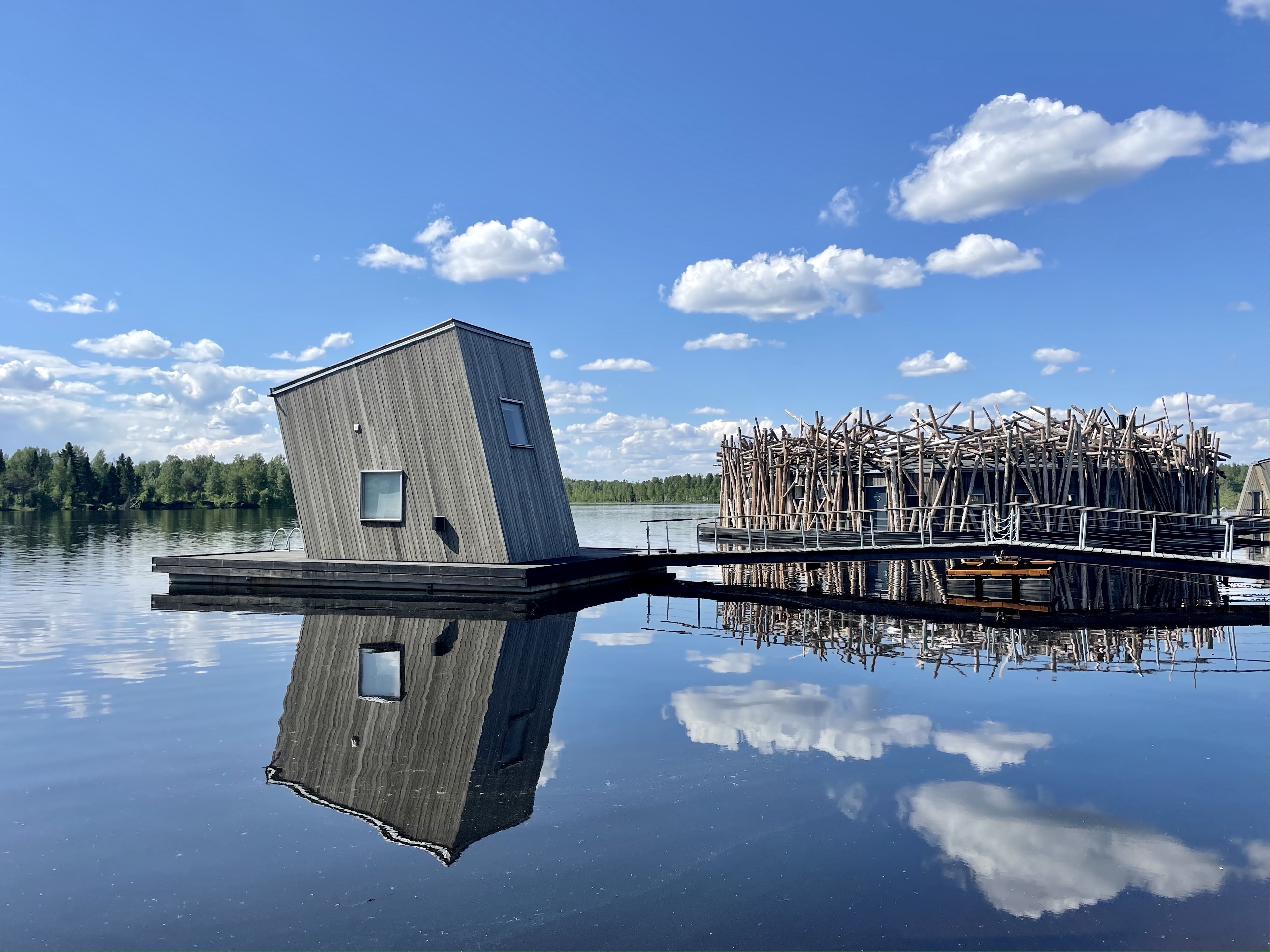
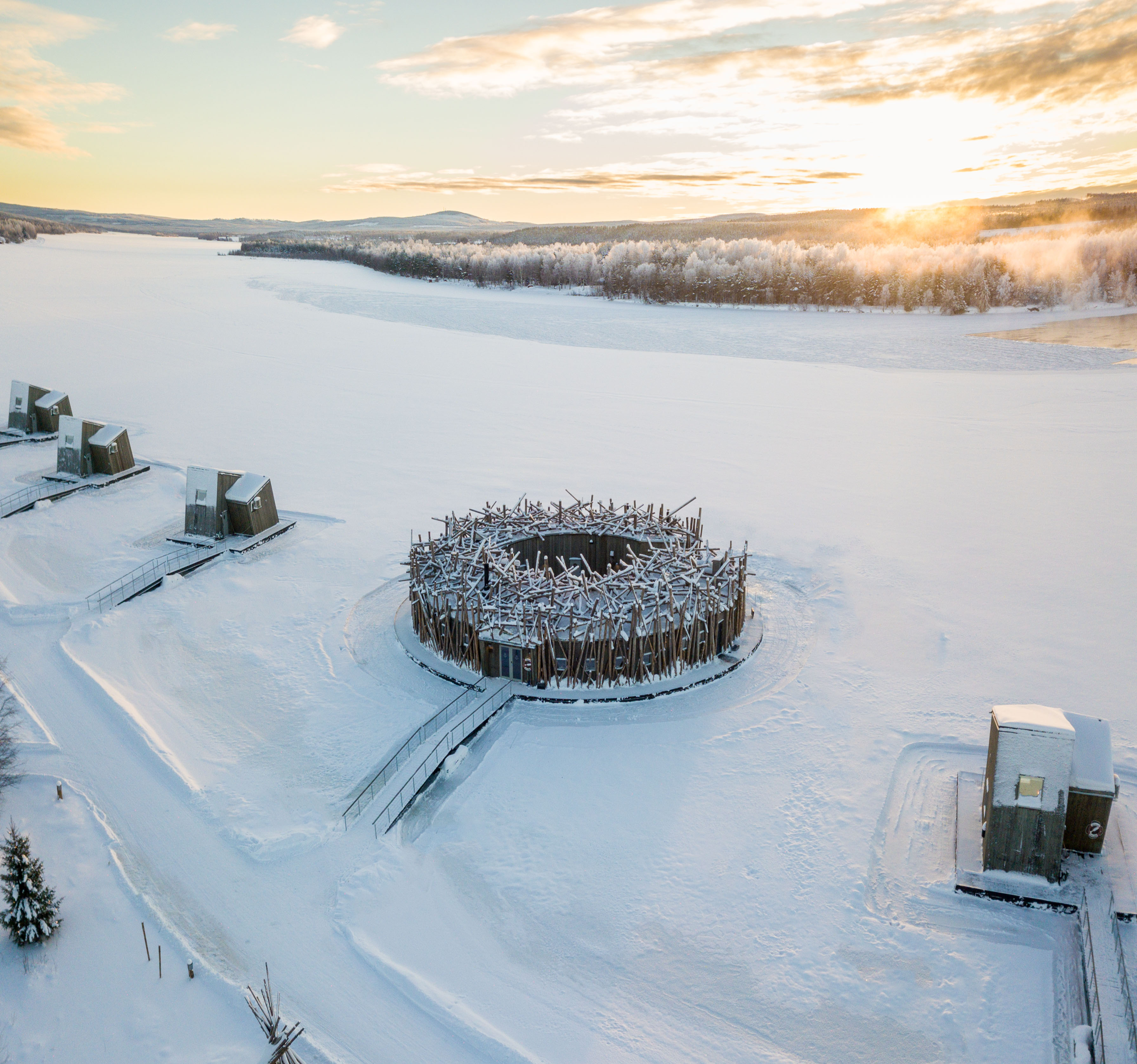
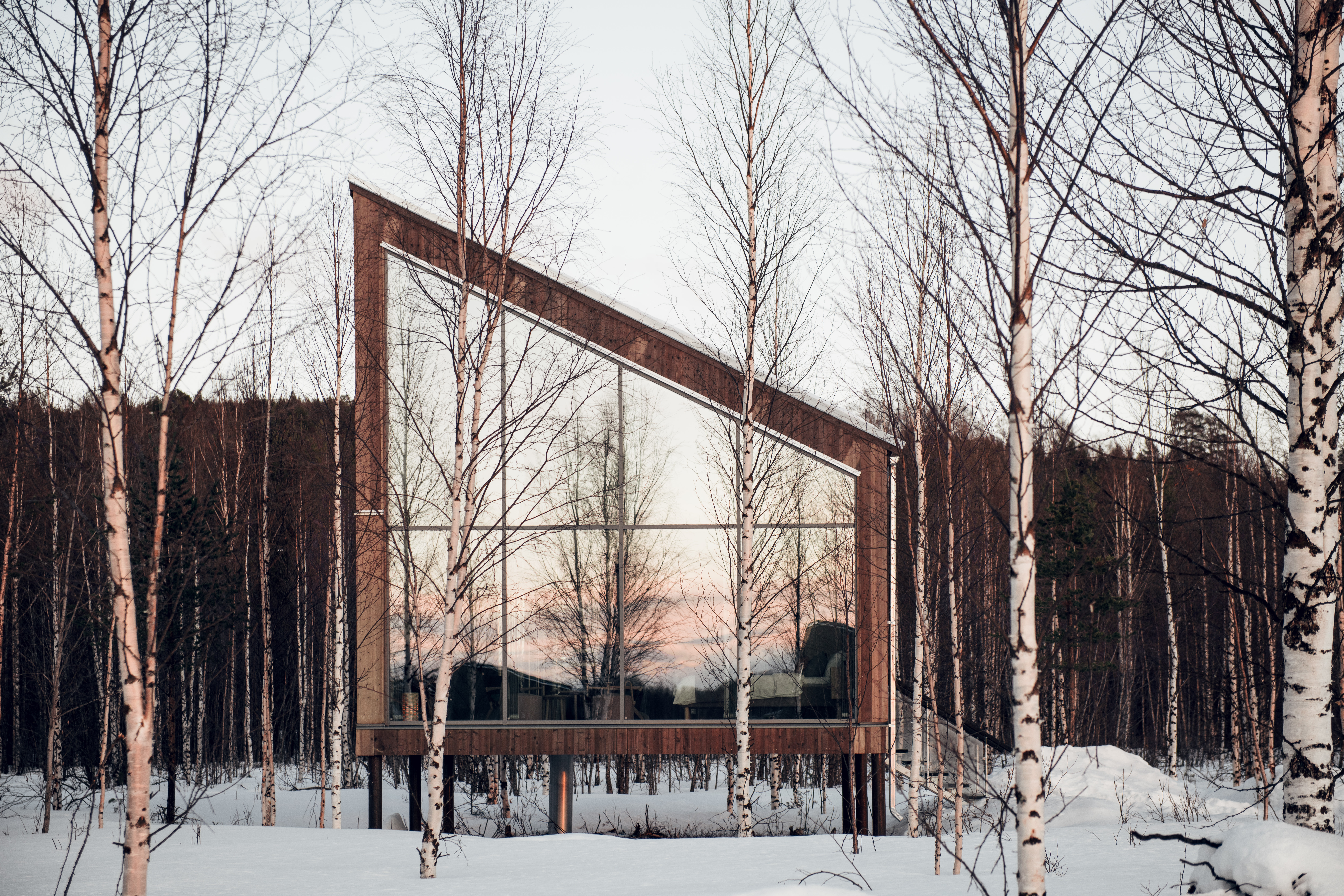
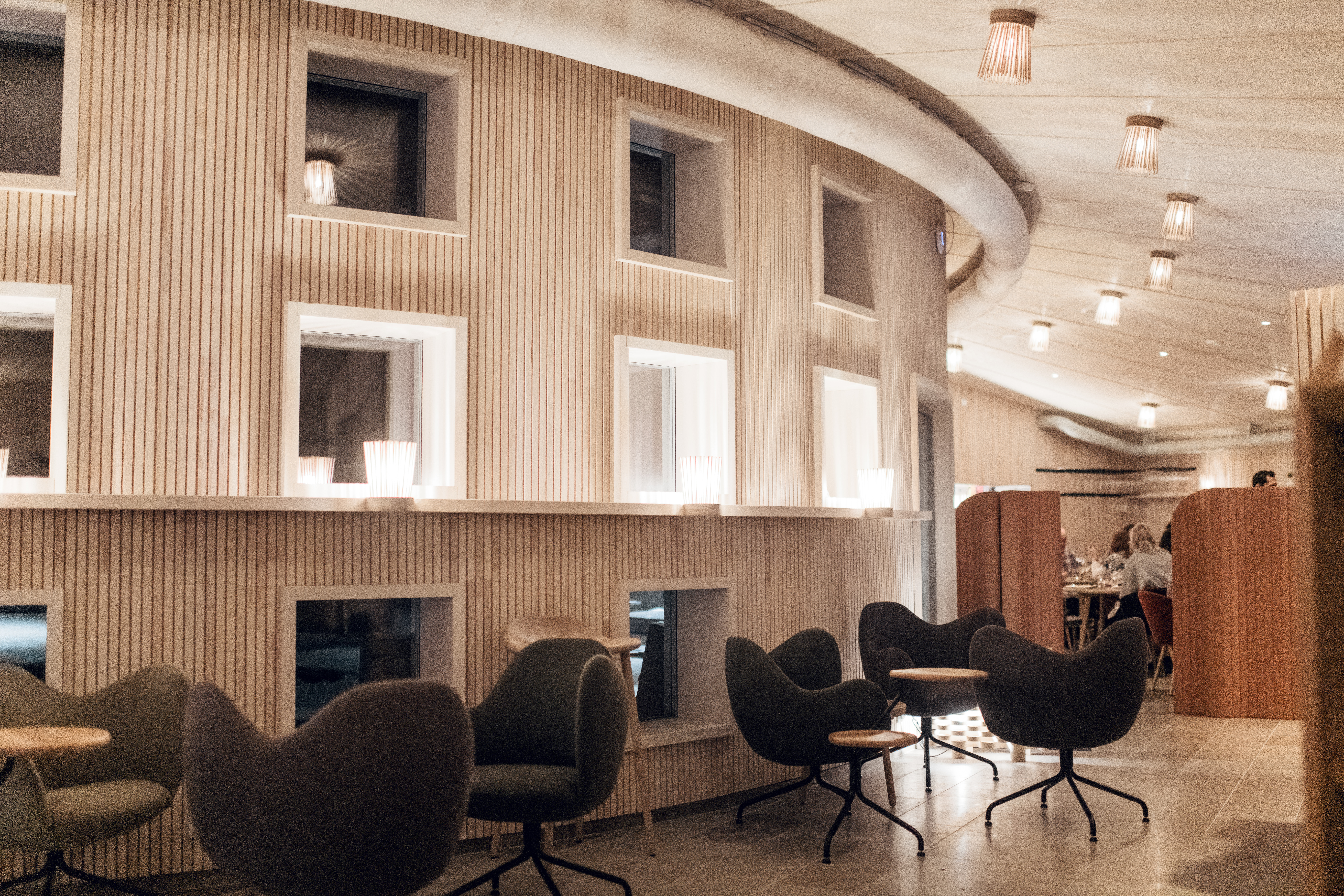
The concept is confrontational in the best possible way. Arctic Bath exists to make you cold — deliberately, ritually, therapeutically cold. The circular open-air plunge pool at its centre draws directly from the Lule River in temperatures that can reach minus thirty degrees, and the entire hotel is arranged around this single, clarifying act. Everything else — the heated water cabins floating above the river, the sauna sequence, the five-course dinner of reindeer and arctic char — is context for that one moment of immersion. You walk in, your body argues briefly, and then something old and quiet takes over.

In winter, ice forms beneath and around the floating cabins, locking them in place above the frozen river. The effect is otherworldly — a building both on and in the landscape simultaneously, held by physics, surrounded by birch forest and the specific silence of subarctic snow. In summer the structure floats freely on the current and the sky barely darkens. Two entirely different hotels existing in the same footprint.

For content, this place demands patience and a willingness to get extremely cold. The pre-dawn hour — when the river mist rises off the ice, the northern lights are still faintly overhead, and the cabins glow amber — is one of the most technically challenging and visually extraordinary shoots we can imagine. Worth every frozen finger.

Shinta Mani Wild — hero
Shinta Mani Wild — tent exterior
Shinta Mani Wild — jungle
Shinta Mani Wild — living room

Shinta Mani Wild

Kirirom National Park — Cambodia

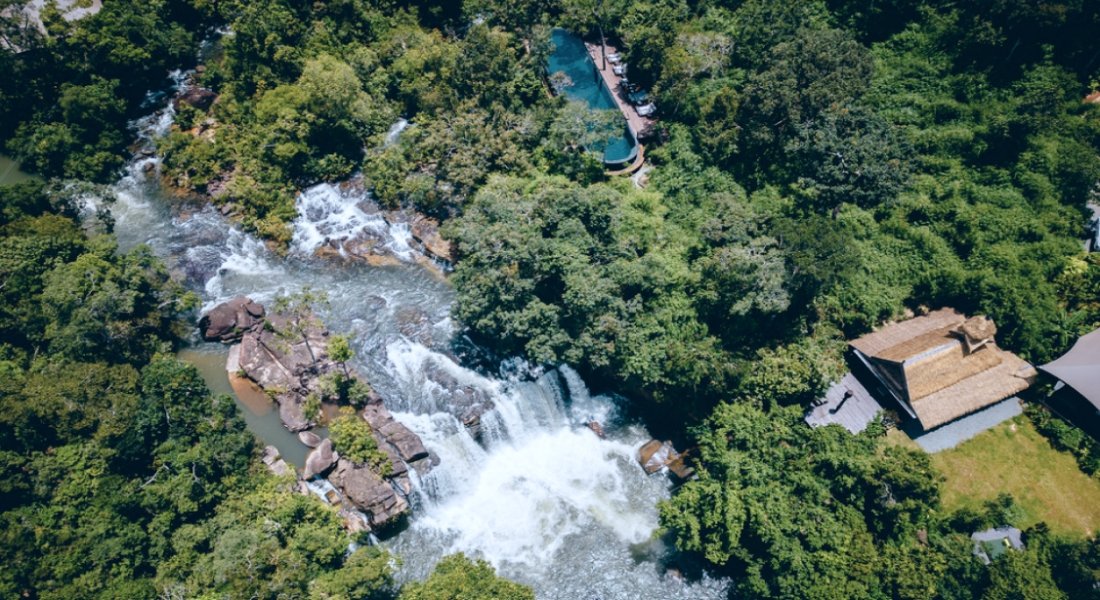
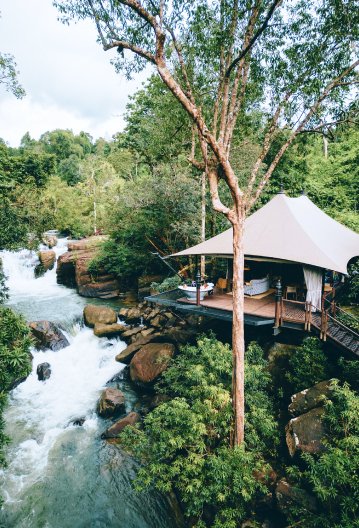
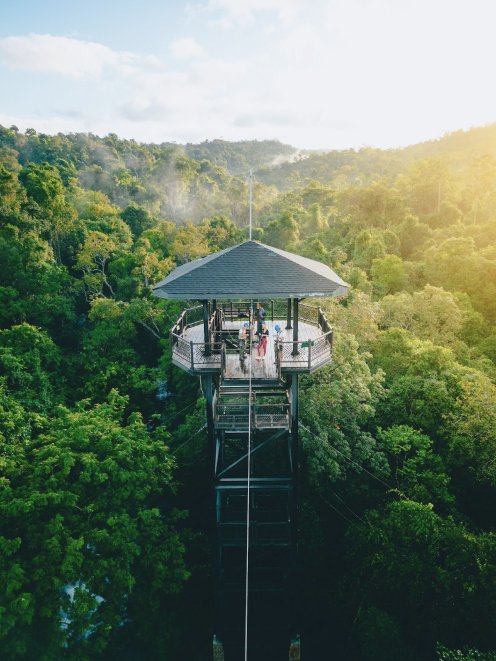
Bill Bensley is constitutionally incapable of understatement, and Shinta Mani Wild doesn't try to be anything other than what it is: a perfectly crafted piece of theatre set in genuine wilderness. Arrival is by Southeast Asia's longest private zipline, which deposits guests directly at the bar — a move that is either absurd or brilliant depending on your disposition, but which unquestionably communicates the property's intentions. Inside the Cardamom Mountains, the lodge runs fifteen canvas-and-teak tented suites above a jungle river, surrounded by forest so dense it swallows sound.

The conservation work here is substantive, not decorative. Anti-poaching patrols, habitat protection, community employment from the surrounding villages. The Waterfall Restaurant — built into the forest in a 1960s Jackie Kennedy Cambodian safari aesthetic, leather sofas under camouflage canopy, cocktails served from bamboo — funds a portion of it. Everything Bensley designs has a moral position tucked inside the maximalism. The jewel-bright Khmer textiles, the carved teak, the roll-top tubs on riverside terraces — it's all chosen and arranged with absolute intentionality.

For content, the zipline arrival sequence alone is a hero video waiting to happen. But the more interesting work is quieter: the dawn mist on the river, the way light enters the open-fronted tents at specific angles, the textural density of the interiors against raw jungle beyond. Bensley spaces photograph with almost unfair ease — every corner has been considered as a frame.

Keemala — hero
Keemala — bird nest villas
Keemala — clay pool cottages
Keemala — tree pool houses

Keemala

Kamala — Phuket, Thailand

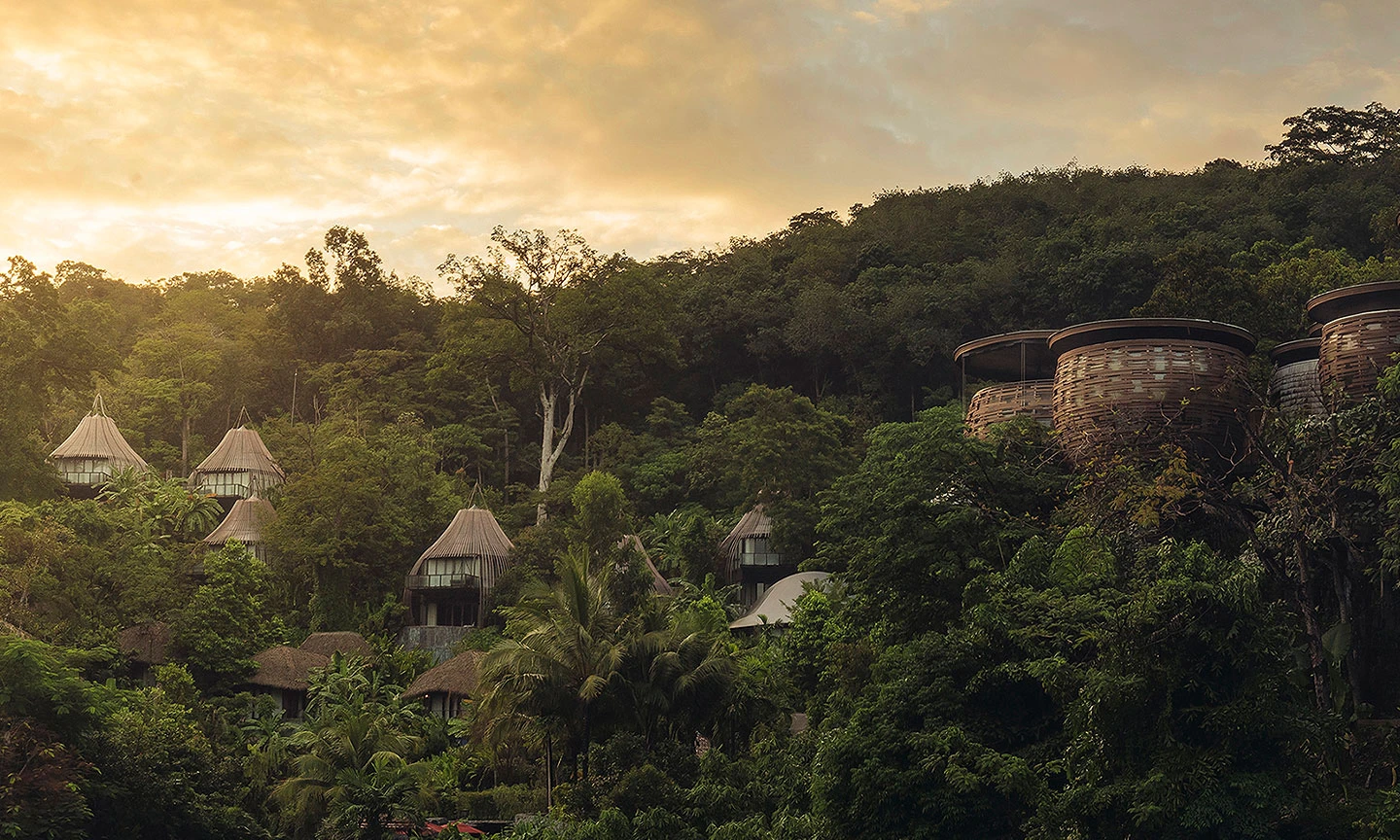
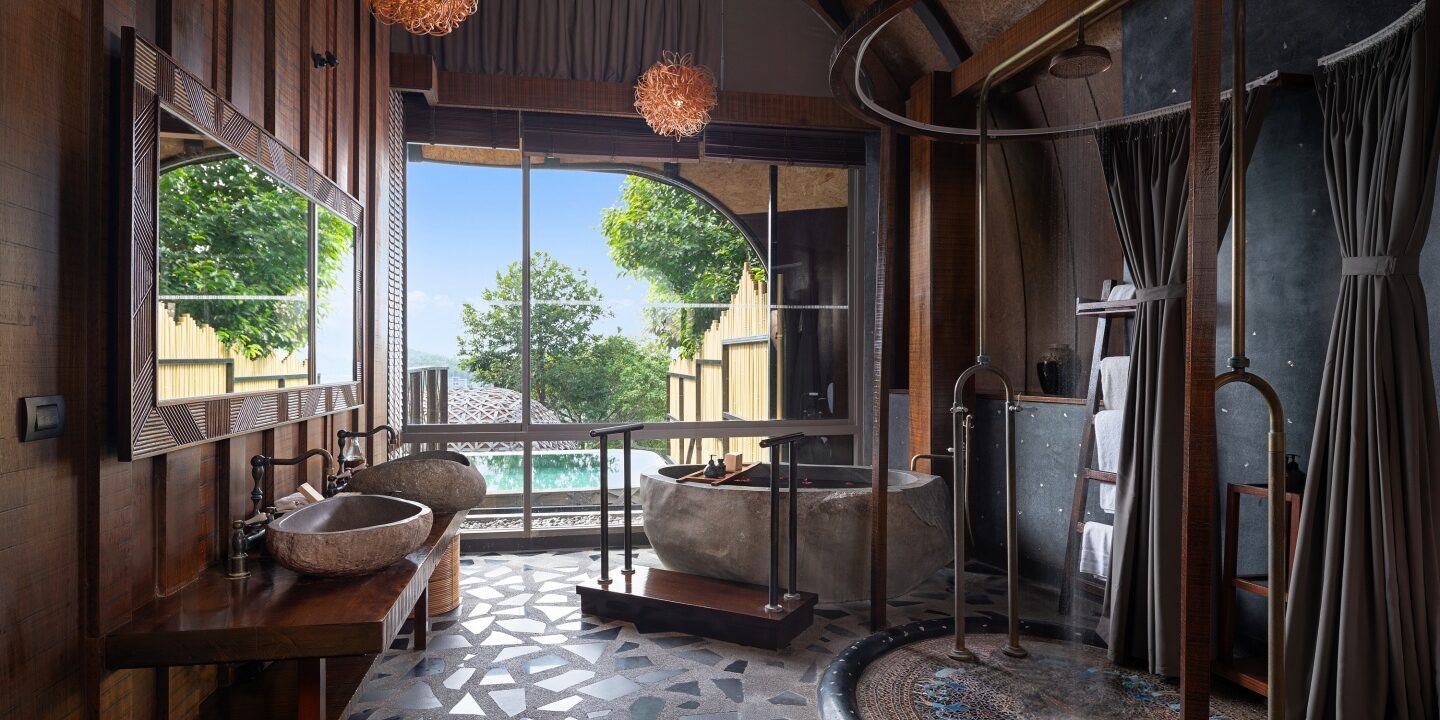
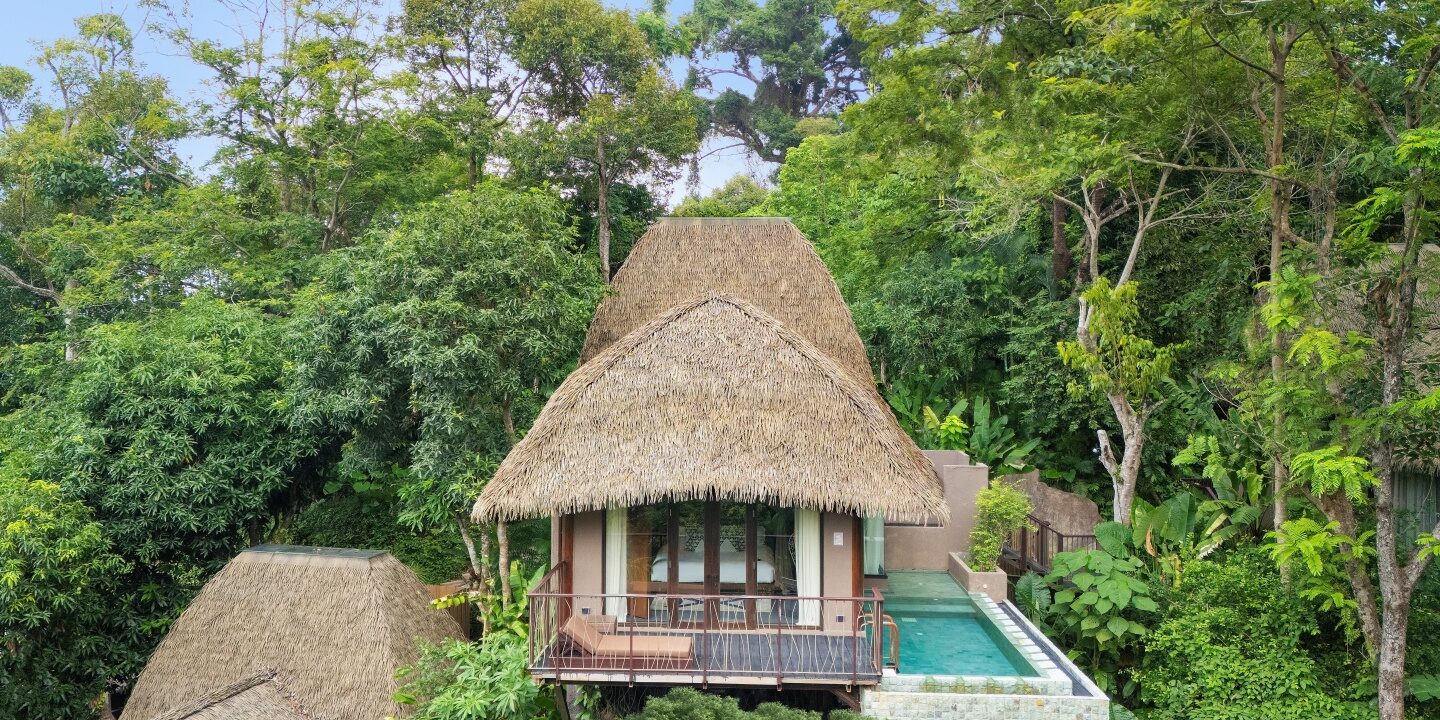
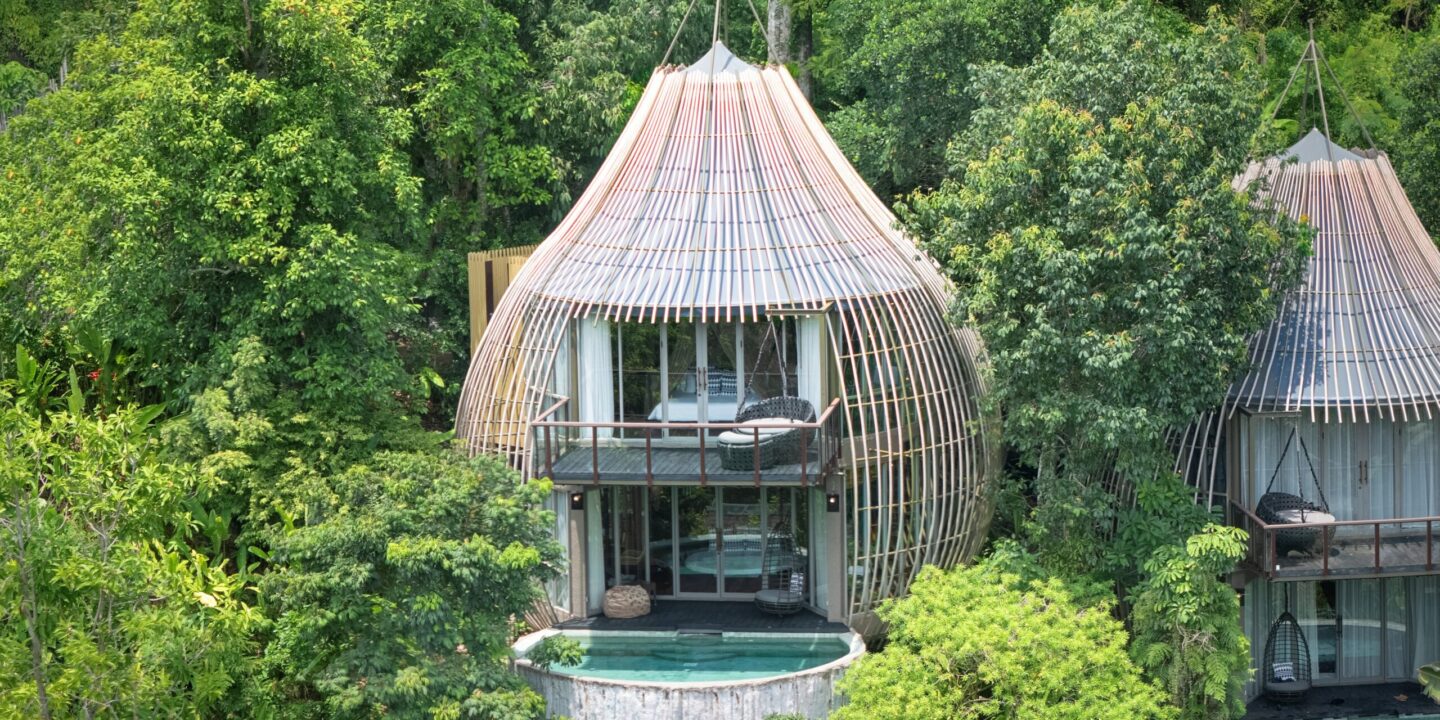
Phuket has a reputation problem — deserved in some areas, thoroughly unfair in others. Keemala occupies the unfair category. Built into forested hillside above Kamala Bay, completely invisible from the road, it exists as a self-contained rainforest world with no beach clubs, no DJ sets, no swim-up bars. The 38 pool villas are each designed around a different mythological dwelling typology — bird's nests cantilevered above the forest floor, clay cocoon pods rising from the earth, canvas tents beneath thatched pavilions — and the property takes this taxonomy entirely seriously. This is a conceptual hotel that happens to be in Phuket.

The Mala Spa operates from treatment pods scattered throughout the jungle — not in a spa building, but in clearings, under canopy, to the sound of the forest. The kitchen draws from an on-site enchanted garden of herbs, mushrooms, and edible flowers that the head chef tends alongside a small dedicated team. The wellness programming is daily, complimentary, and genuinely considered. This is a place for guests who want to feel different at the end of it, not just rested.

The architectural diversity is the content opportunity here — four completely different dwelling typologies in one property means four completely different visual moods. The bird's nest villas at dusk, when the jungle goes dark around them and they glow from within, are among the more extraordinary architectural images available in Southeast Asia. We would block three days minimum.

Awasi Patagonia — hero
Awasi Patagonia — cabin
Awasi Patagonia — landscape
Awasi Patagonia — deck

Awasi Patagonia

Estancia Tercera Barranca — Chilean Patagonia

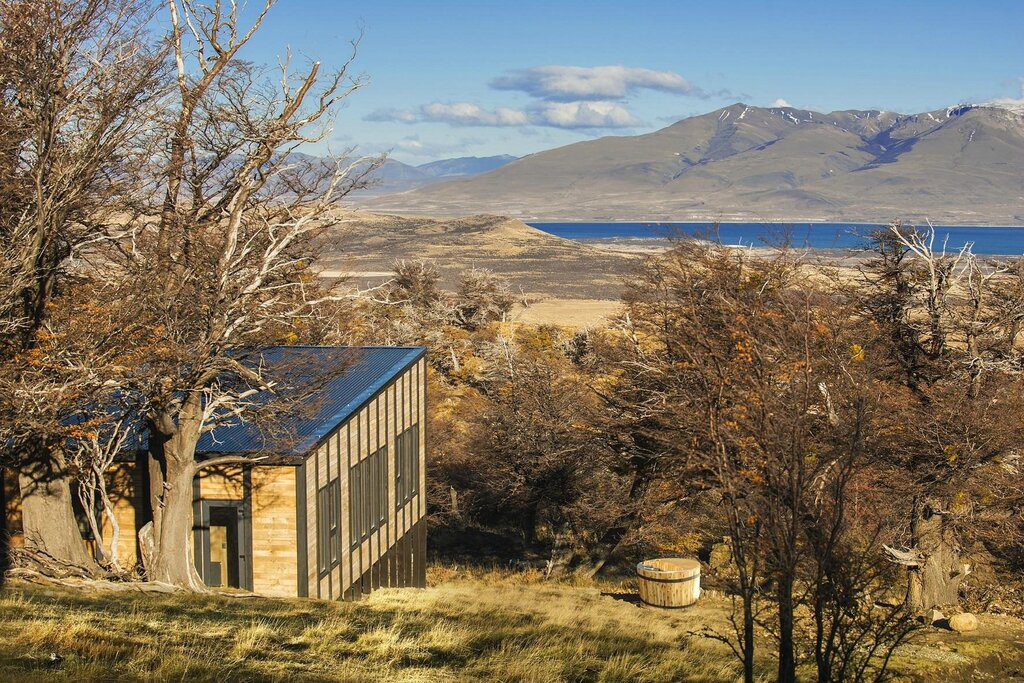
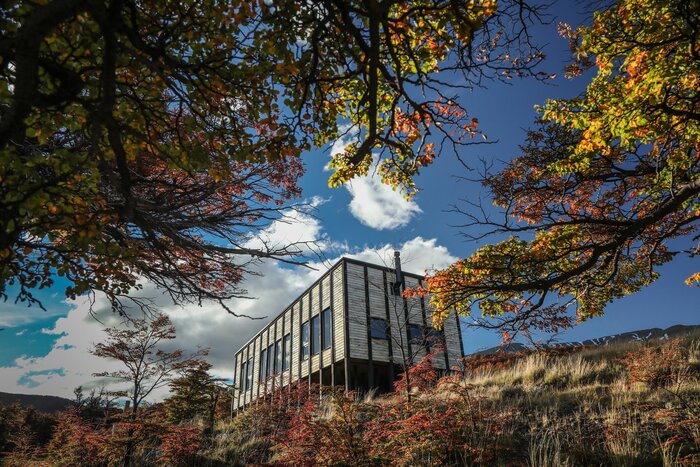
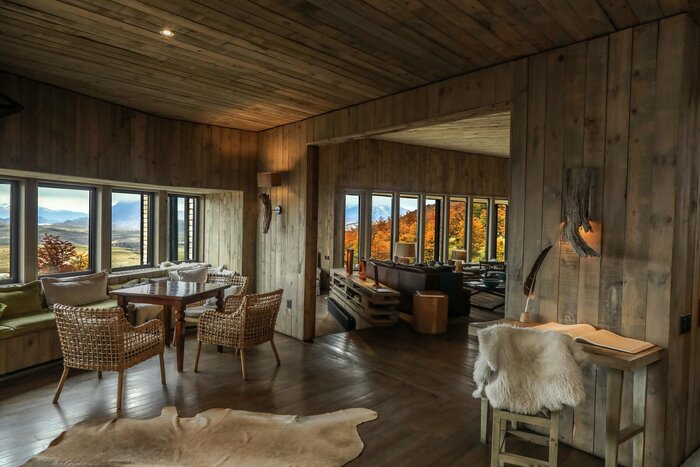
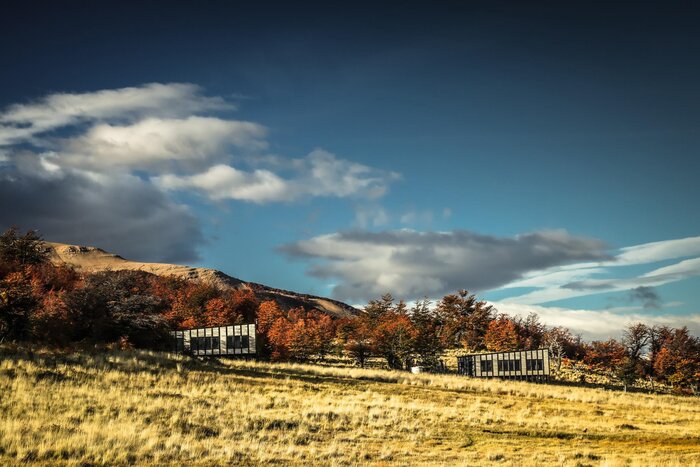
The Patagonian wind is not atmospheric — it is structural. It shapes everything: the vegetation, the animals, the quality of light, the way photographs feel. Awasi Patagonia sits at the edge of Torres del Paine National Park where the Paine Massif rises almost vertically from flat steppe, and the hotel has been designed around the experience of being genuinely in it rather than adjacent to it. Fourteen stilted cabins, each with its own 4WD vehicle and private guide for the entire stay. No shared excursions. No timetables. You go where you want, when the light is right.

The cabins face the Torres peaks through floor-to-ceiling glass. Outside, a hot tub on the private deck. Inside, a wood-burning stove and the specific quiet that comes from being at the bottom of the world. The Awasi Foundation monitors puma populations on the surrounding land, and sightings — genuine puma sightings, unhurried, in open country — are not unusual for guests who know how to look. This is a place that rewards patience as a practice, not just as a virtue.

The content challenge in Patagonia is the wind and the speed of the weather — conditions can shift from flat calm to white-out in thirty minutes, and the light that exists in between those states is unlike anything available at lower latitudes. We'd plan for four shooting days minimum, schedule around forecast windows, and treat the unpredictability as the subject rather than the obstacle. Some of our most extraordinary landscape-property work happens in exactly these conditions.

Wilmina — hero
Wilmina — courtyard garden
Wilmina — interior
Wilmina — library

Wilmina

Charlottenburg — Berlin, Germany

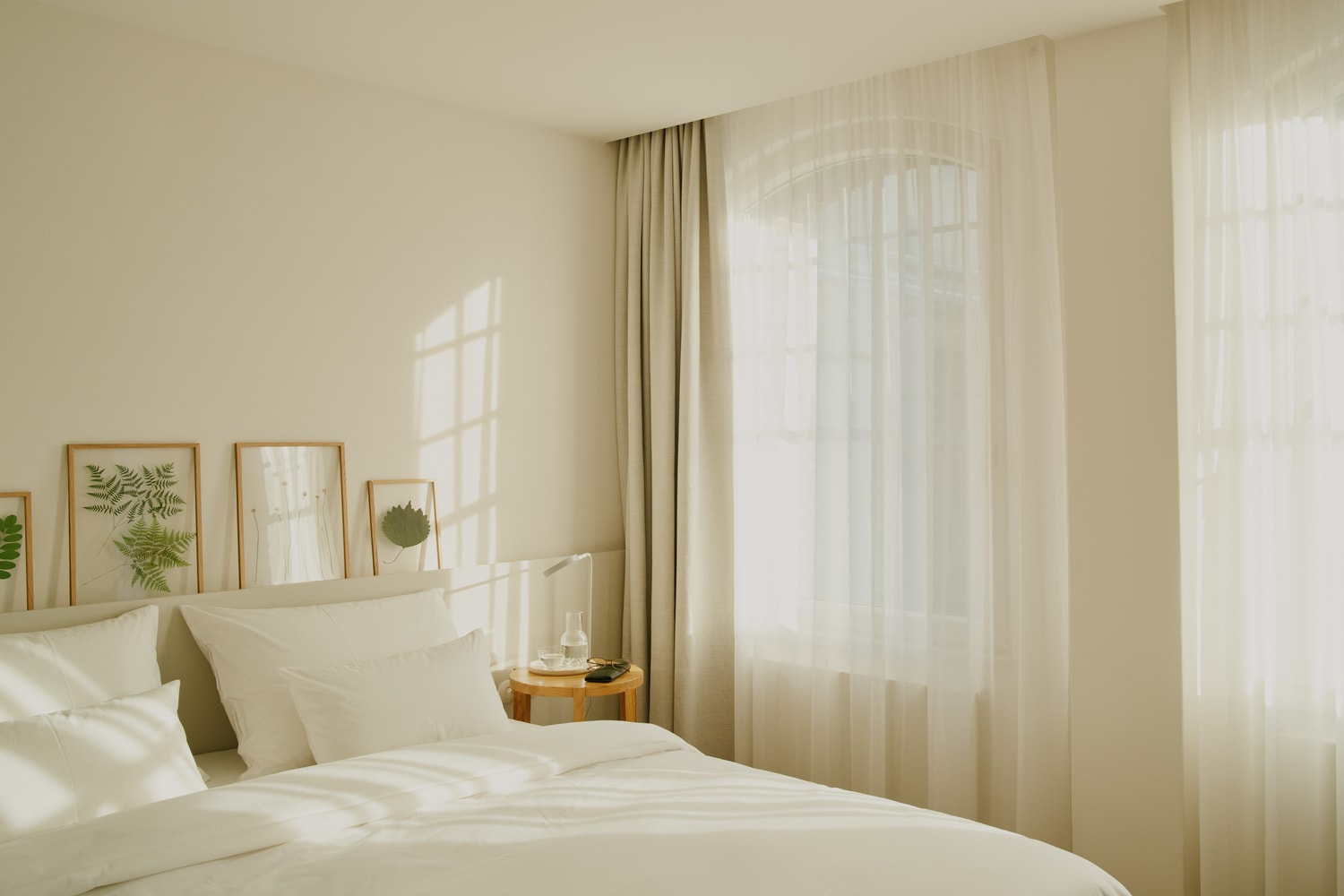
Berlin has a complicated relationship with its own past, and Wilmina — a former 19th-century courthouse and women's prison — wears that complication as an aesthetic position rather than an inconvenience. The architects at Gruntuch Ernst preserved the building's original weight deliberately: iron staircases, original cell-block corridors, the particular heaviness of doors designed to be unopenable from one side. One intact cell remains as a walk-through memorial space. Against this austere shell, the 44 guest rooms are white, calm, and almost meditative — the visual contrast is not accidental.

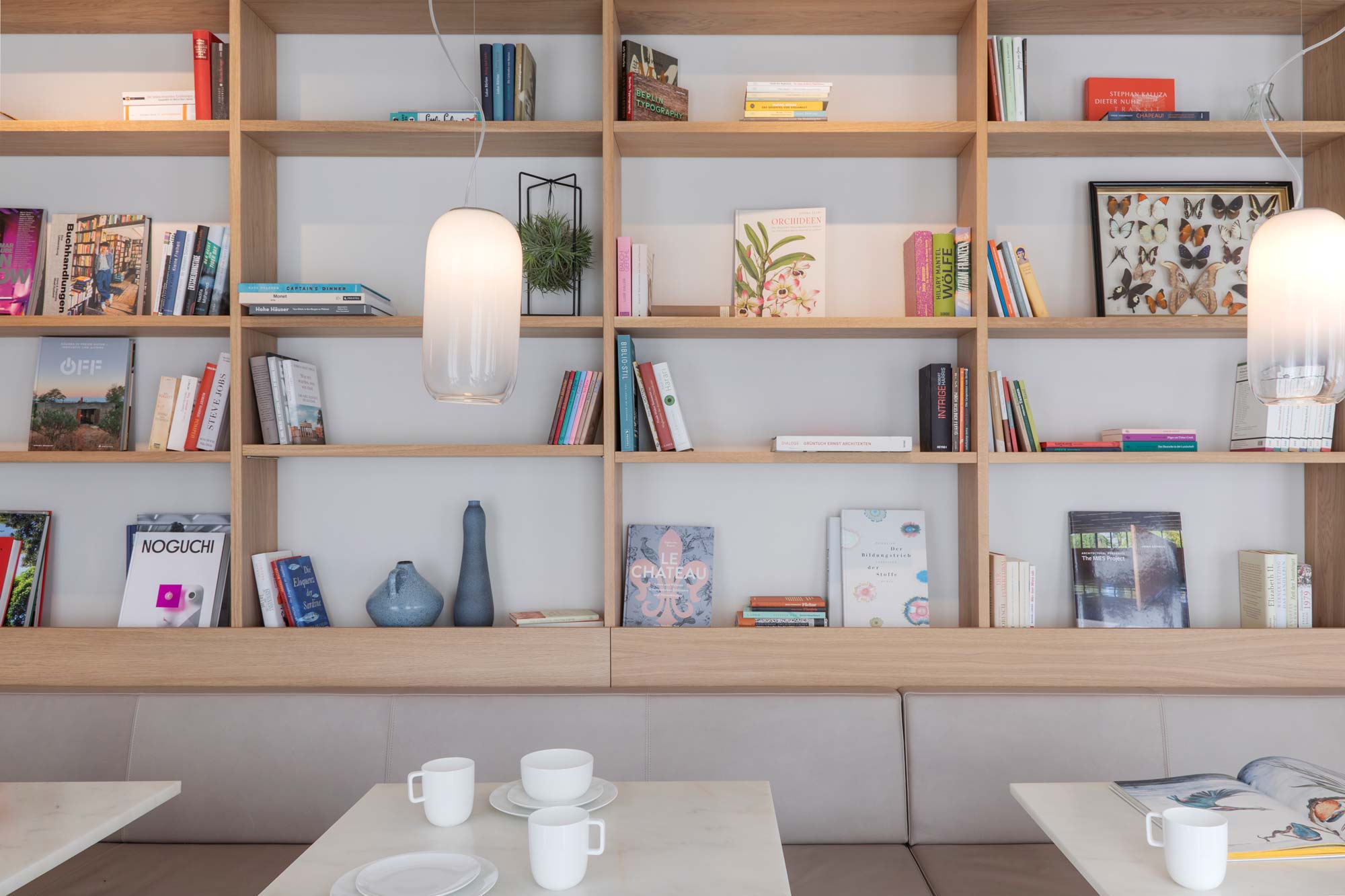
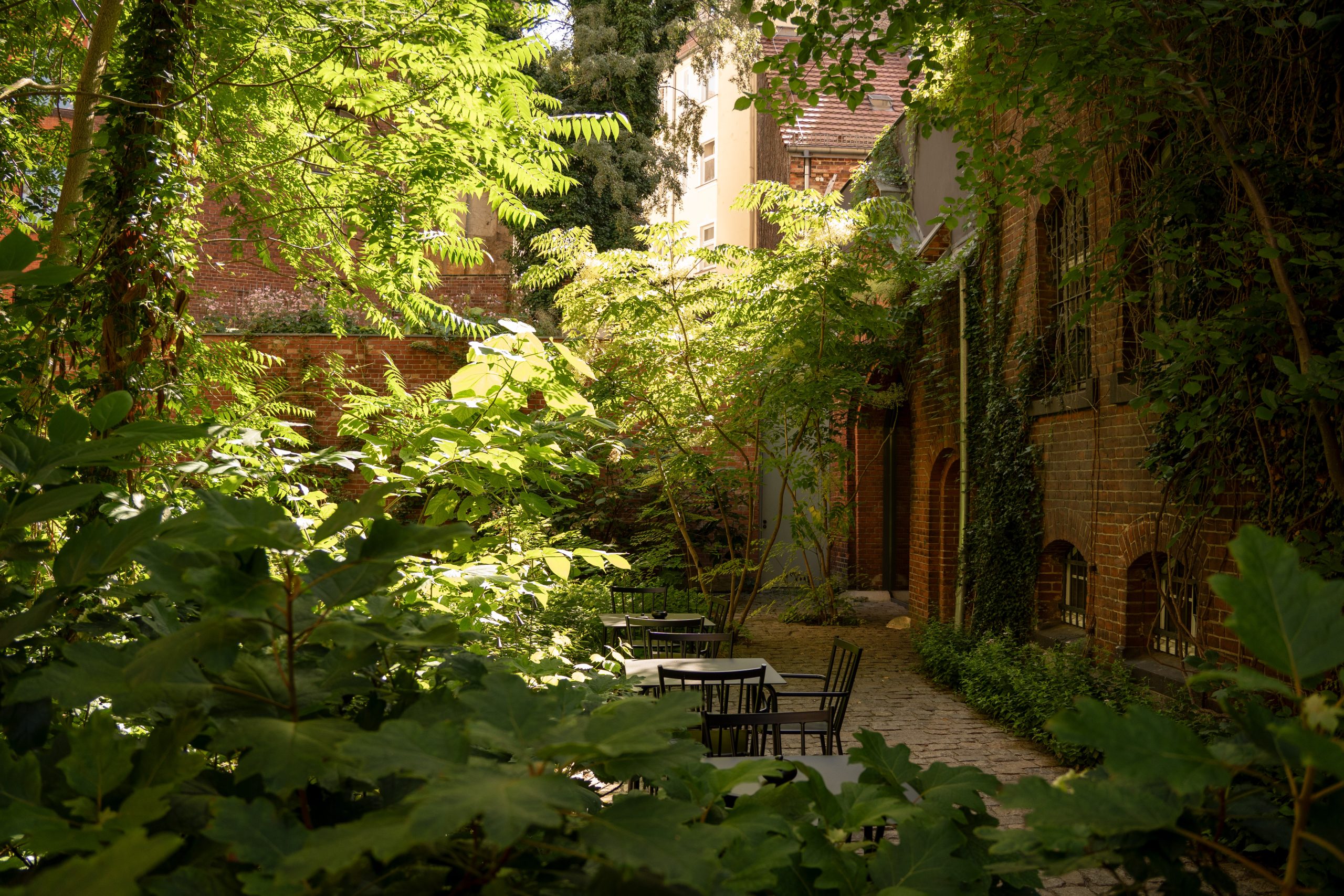
The inner courtyard — a private garden accessible only to guests, rare in dense Charlottenburg — is one of the property's most extraordinary spaces: stone and greenery in a building that was designed to keep people in rather than welcome them. Restaurant Lovis serves a vegetable-forward German tasting menu. The Wilmina Brot bakery operates on-site. The rooftop terrace has city views that reach far enough to remind you how flat Berlin actually is. The BDA Prize and German Sustainability Award both recognise what the building has done with its difficult material.

This is the kind of project that demands architectural photography that thinks rather than decorates. The light inside is institutional — high windows, hard angles — and making it beautiful requires the same kind of patience the building itself seems to be practising. The courtyard at midday in summer is one of our most anticipated interiors. We haven't shot it yet. We intend to.

Narendra Bhawan — hero
Narendra Bhawan — facade
Narendra Bhawan — verandah
Narendra Bhawan — Diwali Chowk

Narendra Bhawan

Bikaner — Rajasthan, India

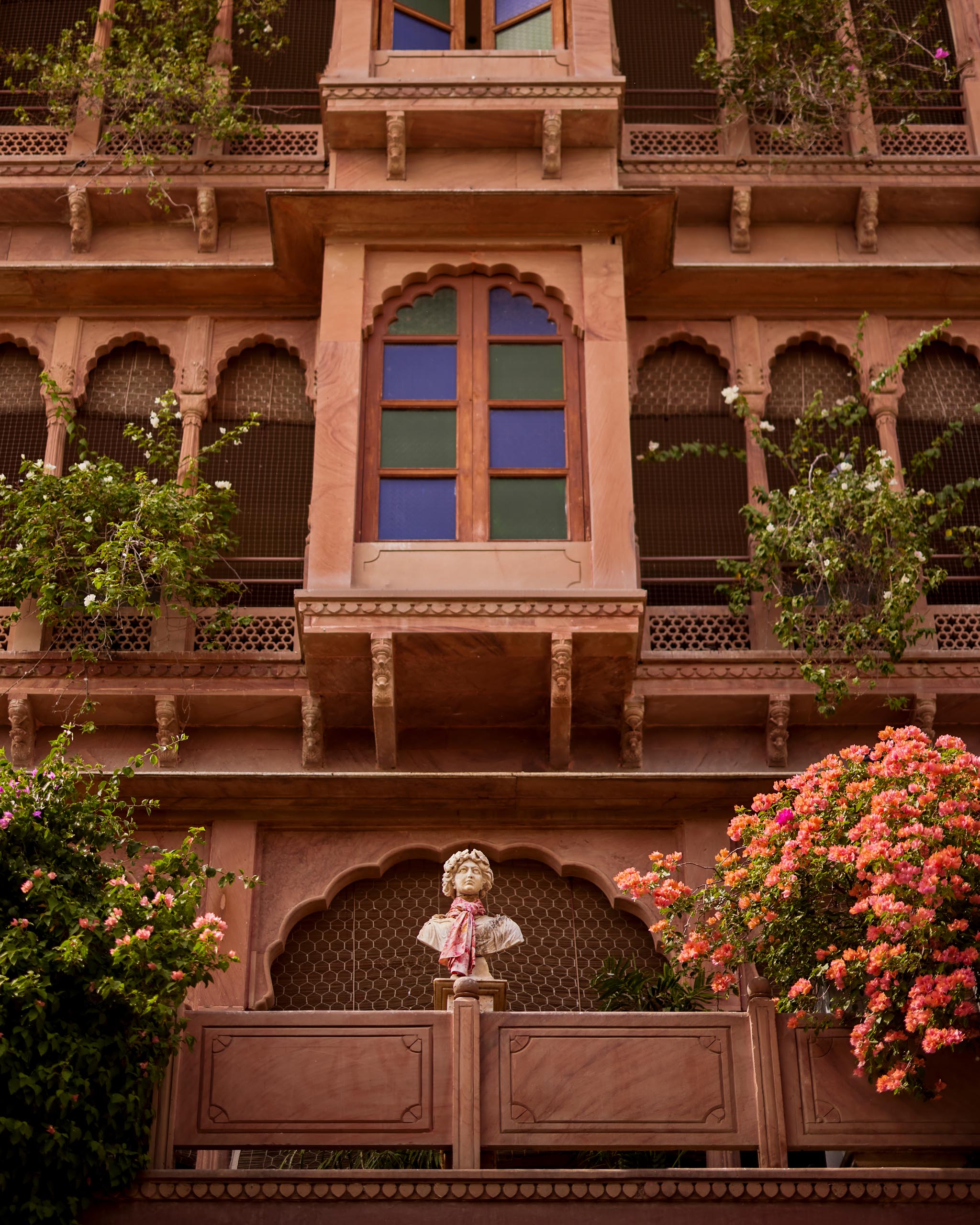
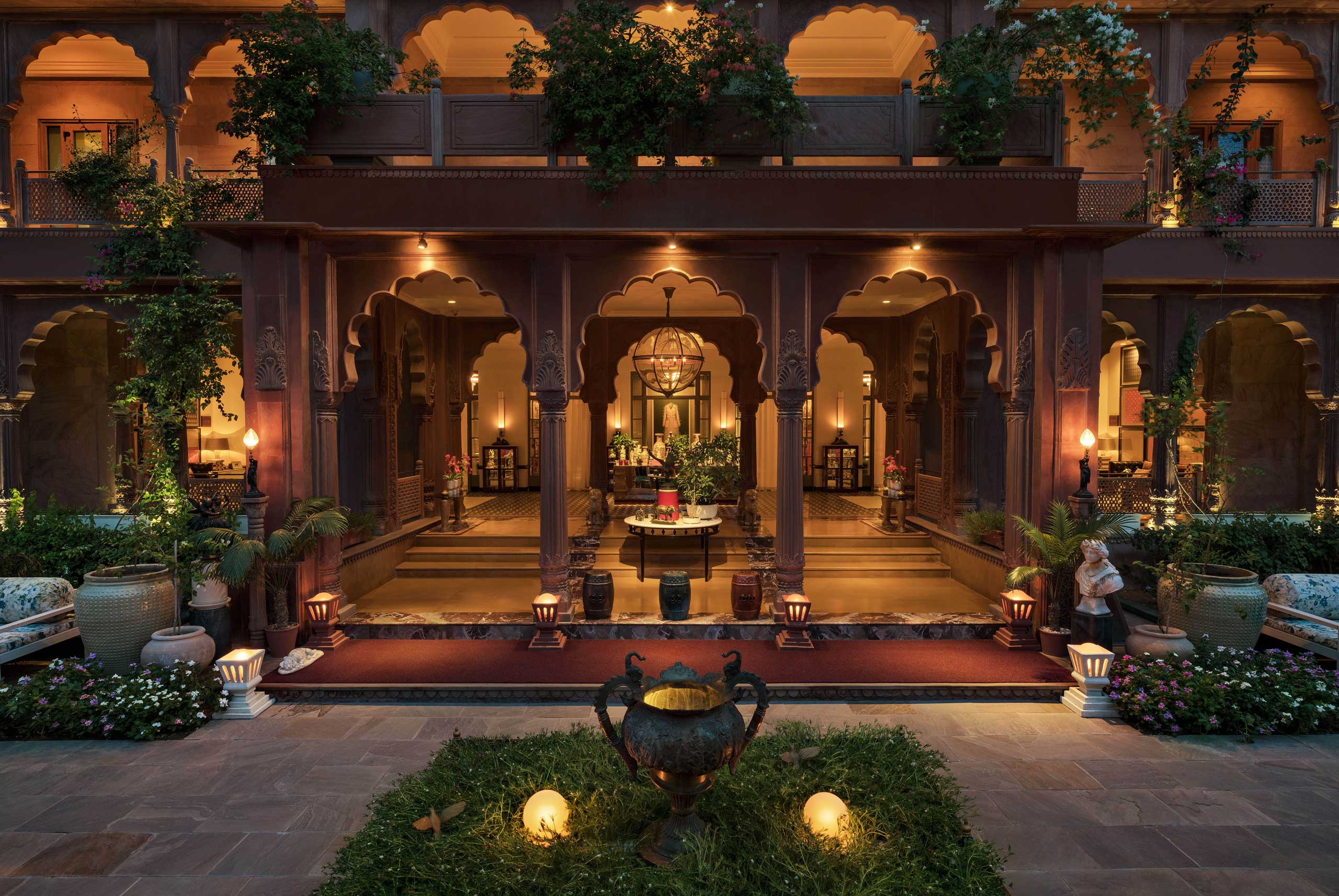
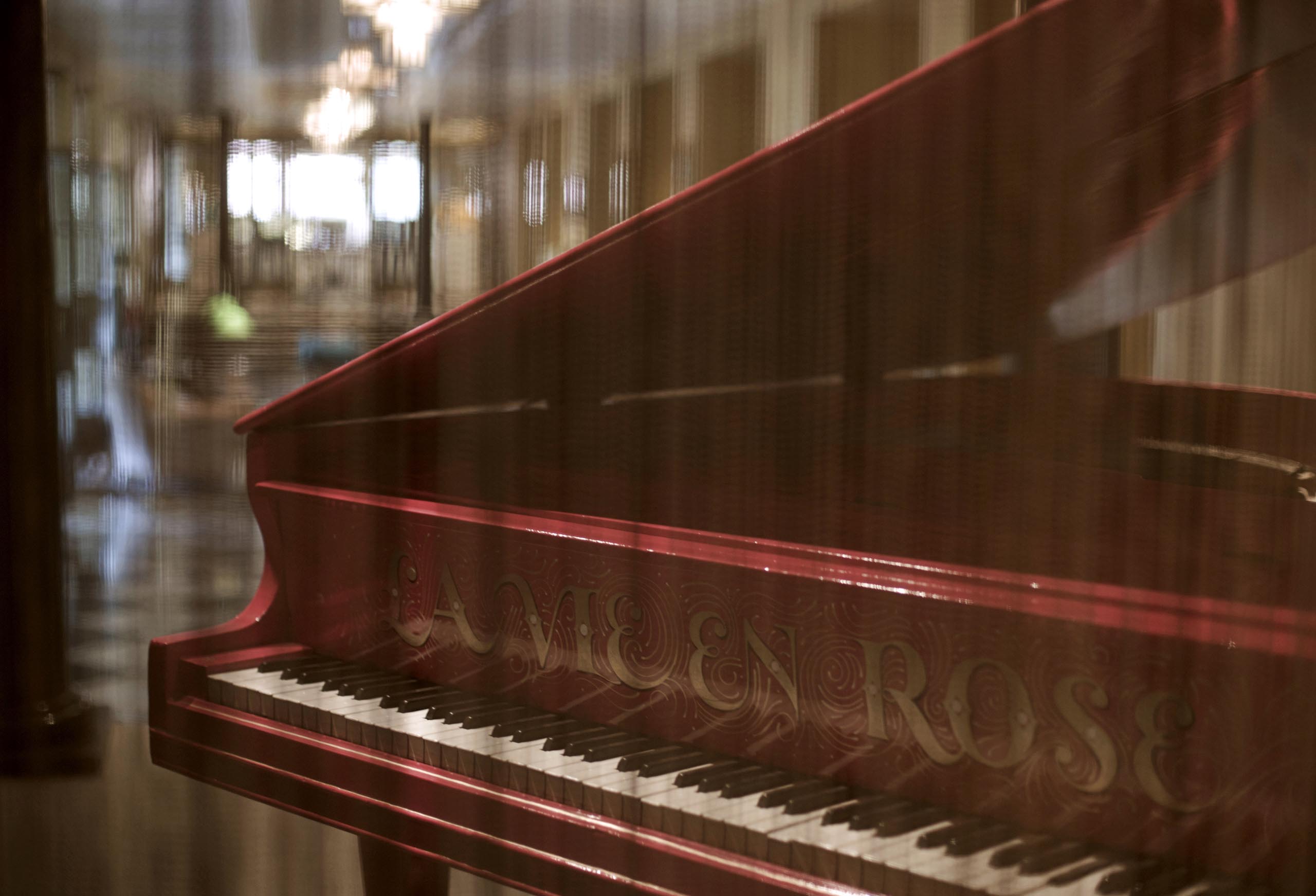
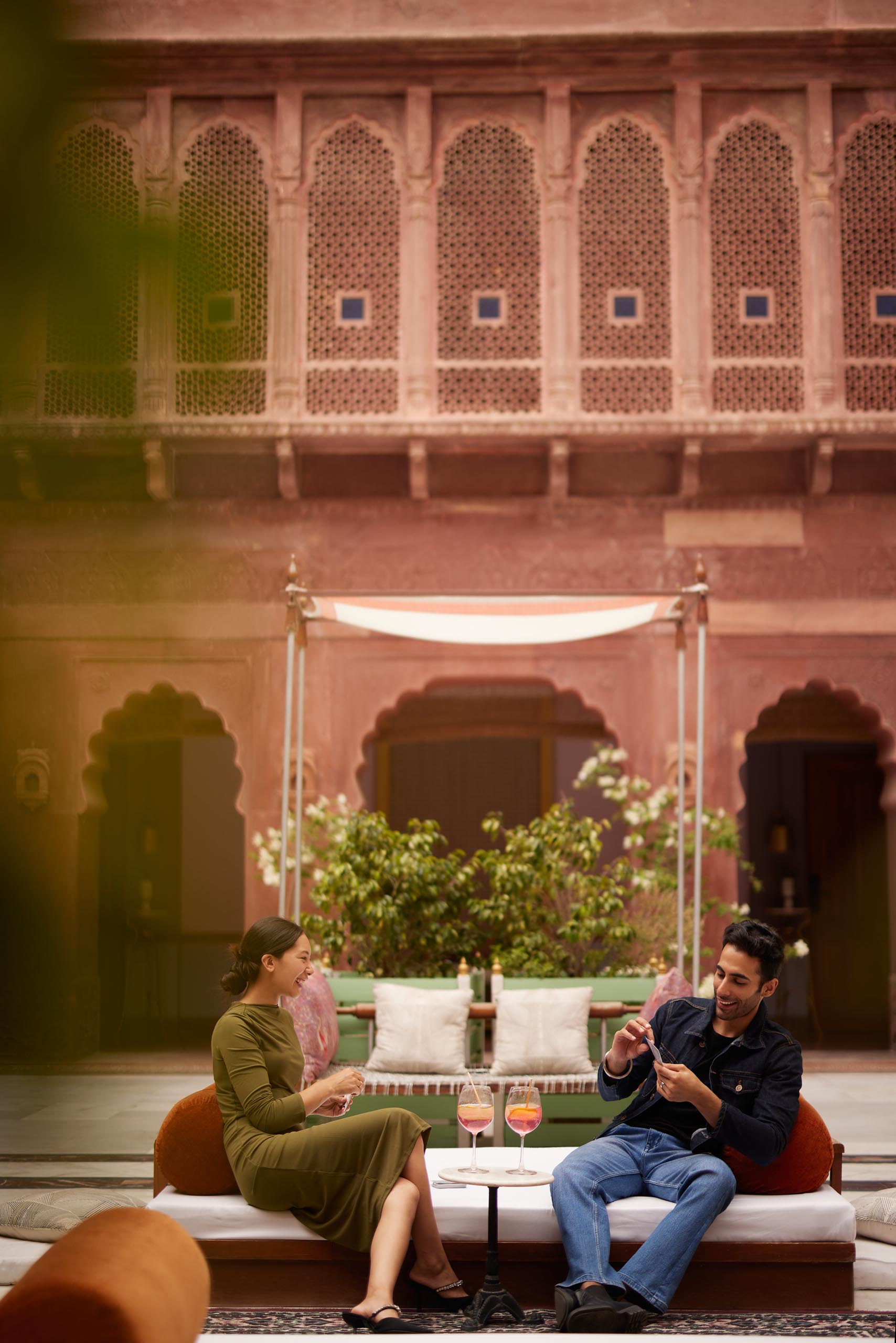
Bikaner sits at the edge of the Thar Desert, which means the light arrives differently here — direct, arid, unfiltered — and the pink Rajasthani sandstone of Narendra Bhawan absorbs and radiates it in ways that shift continuously through the day. The former private residence of Bikaner's last reigning Maharaja has been converted into a hotel that treats its own history not as a museum to be preserved behind glass but as an ongoing aesthetic argument. Bombay art deco meets Rajput grandeur. A scarlet grand piano anchors the lobby under ornate gold ceilings. The rooms are sorted into personality typologies — Prince, Regimental, Republic — each with a completely different design vocabulary, each rooted in a different aspect of the building's aristocratic past.

The black-and-white tiled veranda with its antique glass cabinets and Edwardian bar details could be styled and shot as ten separate images. The rooftop infinity pool — 360-degree views across Bikaner's flat, brilliant desert cityscape — is a completely different production in the morning (cold blue light, city awakening) versus evening (golden hour, absolute stillness). The depth of visual material here is exceptional: the building contains enough distinct interior worlds to support a week of varied shooting without repetition.

What consistently draws us to properties like this is specificity — hotels that couldn't exist anywhere else, that carry the imprint of a particular place and a particular history. Narendra Bhawan is deeply and irreducibly from Bikaner. It photographs with the kind of confidence that only comes from genuinely knowing who you are.

Nihi Sumba — hero
Nihi Sumba — Lapopu waterfall
Nihi Sumba — jungle breakfast
Nihi Sumba — treehouse

Nihi Sumba

Wanukaka — Sumba Island, Indonesia

Sumba is not Bali. There are no scooter convoys, no beach clubs, no wellness retreats offering coconut water at sunset. The island has a different character entirely — older, more austere, less visited — and Nihi Sumba has been careful not to contradict it. Five hundred and sixty-seven acres of volcanic hillside above a private beach, with a surf break — Occy's Left — that is limited to ten surfers per session per day, by rule, because the alternative would be to ruin it. Travel + Leisure named Nihi the best hotel in the world twice, and the property continues to operate as if that might not have happened. It doesn't need the validation.

The villas draw from Sumbanese vernacular architecture: peaked conical thatched roofs, dark carved timber, ikat textile detailing sourced from local weavers. The Nihi Oka Spa Safari treats guests in remote jungle clearings reached on foot through valley forest — there is no spa building. The Nest, a treehouse dining venue above the beach, is used for sunset dinners. A working turtle hatchery operates on the property. Horseback access to parts of the estate that no road reaches. The whole thing is assembled with a seriousness of purpose that the world's best hotel designation understandably generates, but doesn't fully capture.

We'd want a week here, minimum. The light changes radically from the misty highland interior to the open coast, and the architecture — unlike almost anything else in Southeast Asia — has a density and texture that rewards proximity rather than distance. The ikat details, the carved teak, the way the thatched roofs meet the sky at that particular Sumbanese angle. This is content for people who want to understand a place, not just confirm it exists.
Villa Biondi — aerial view
Villa Biondi — living room
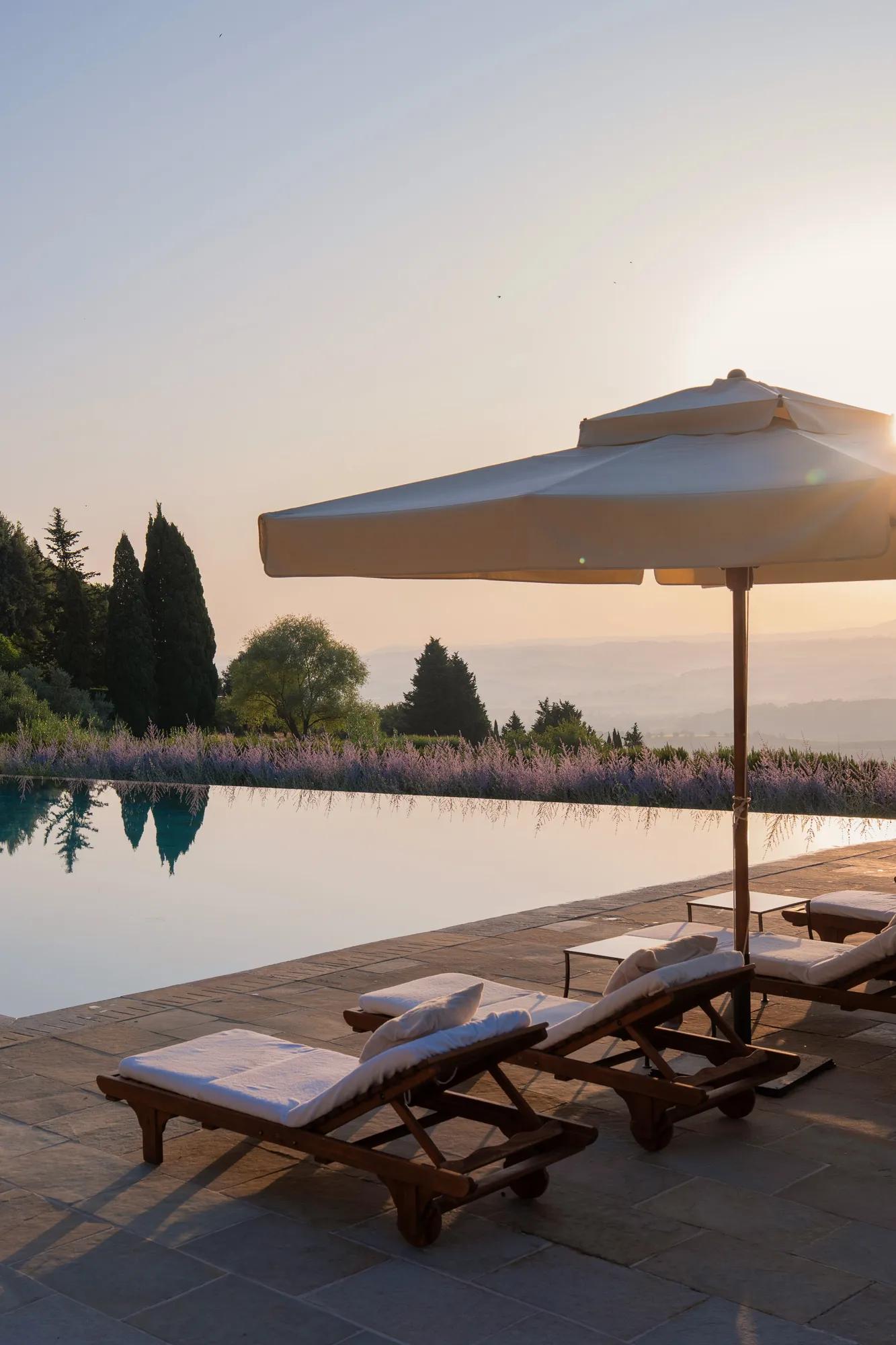
Castiglion del Bosco — pool at sunrise
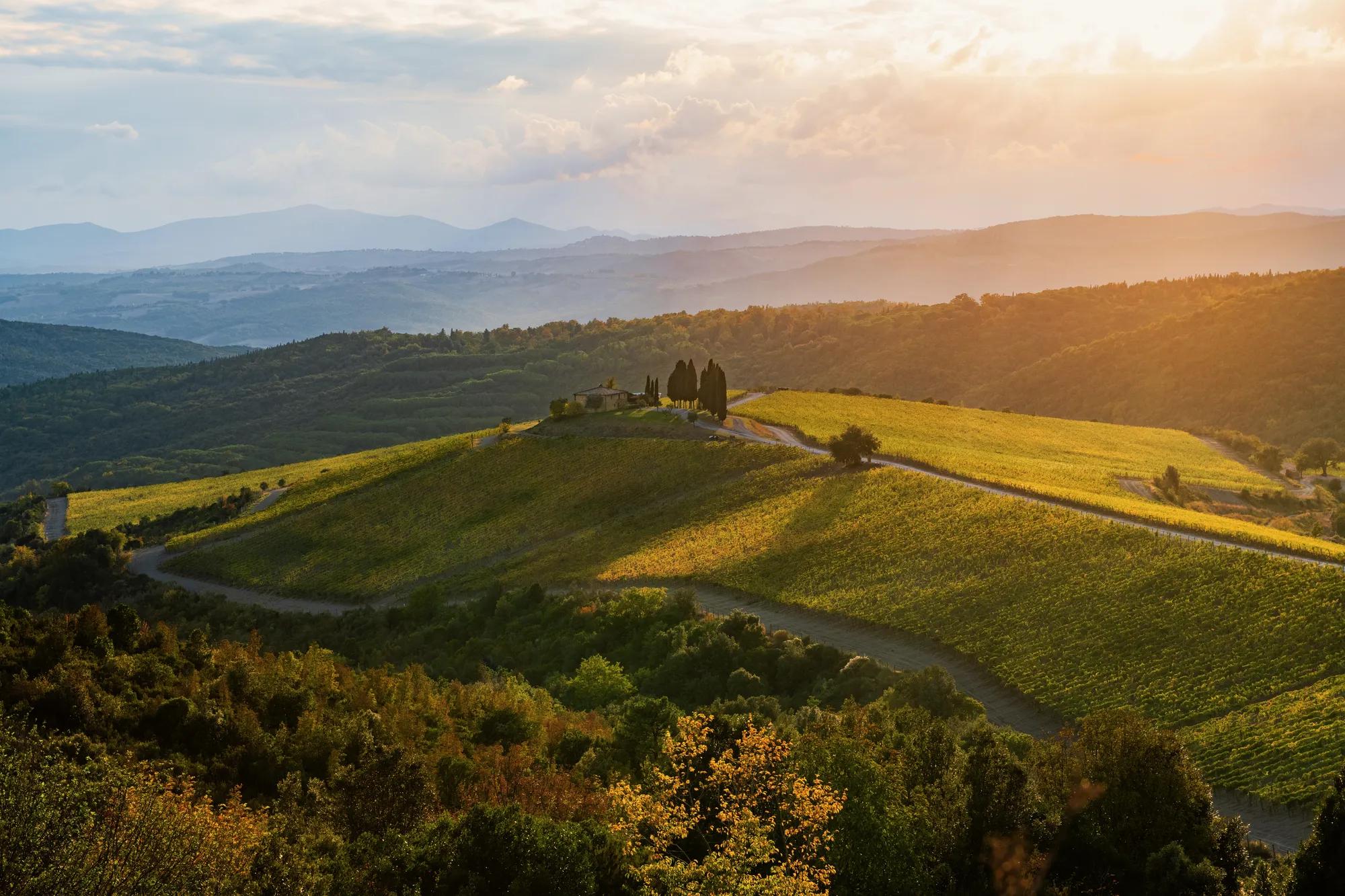
Castiglion del Bosco — vineyard aerial

Villa Biondi at Rosewood Castiglion del Bosco

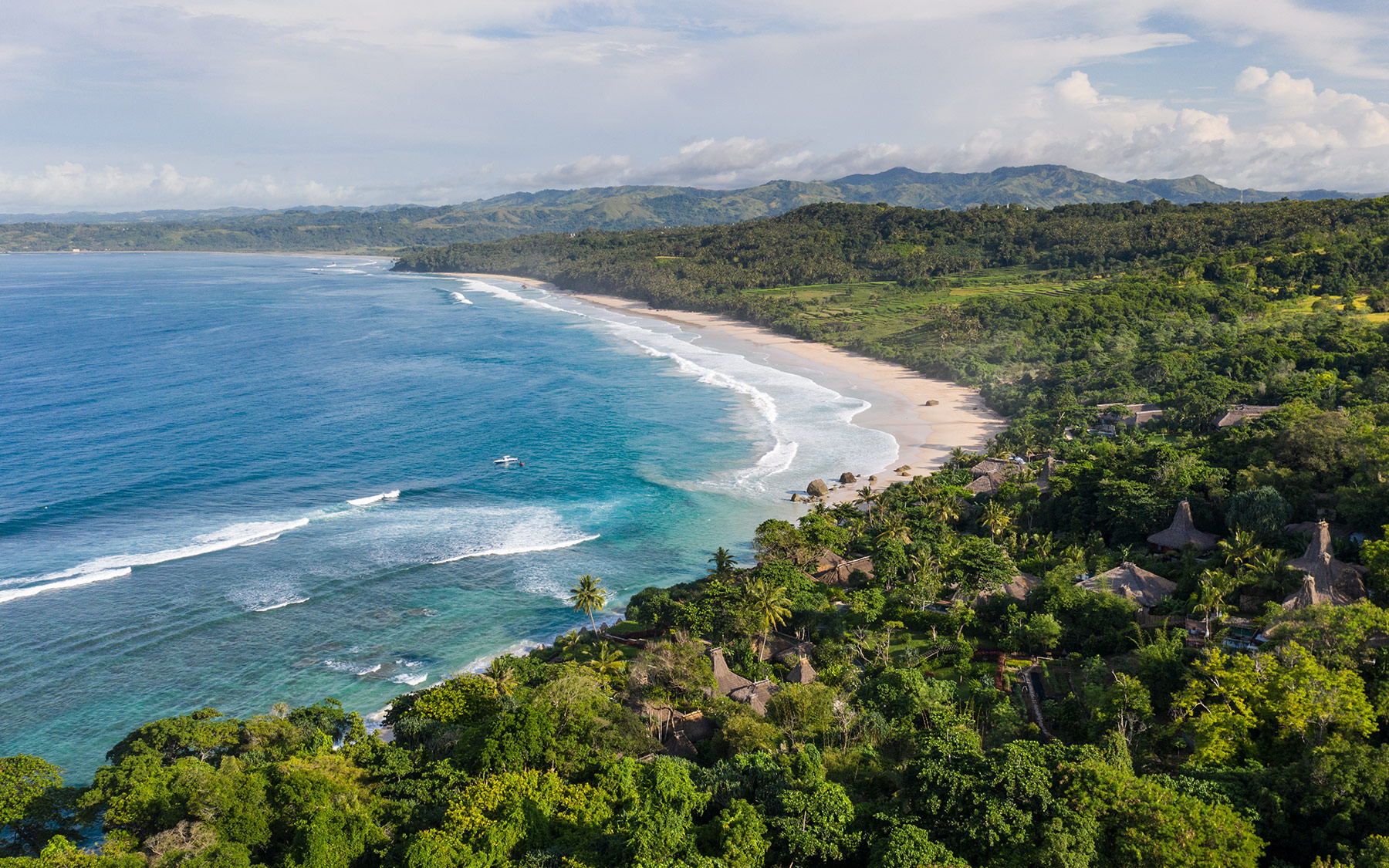
Montalcino — Val d’Orcia, Tuscany

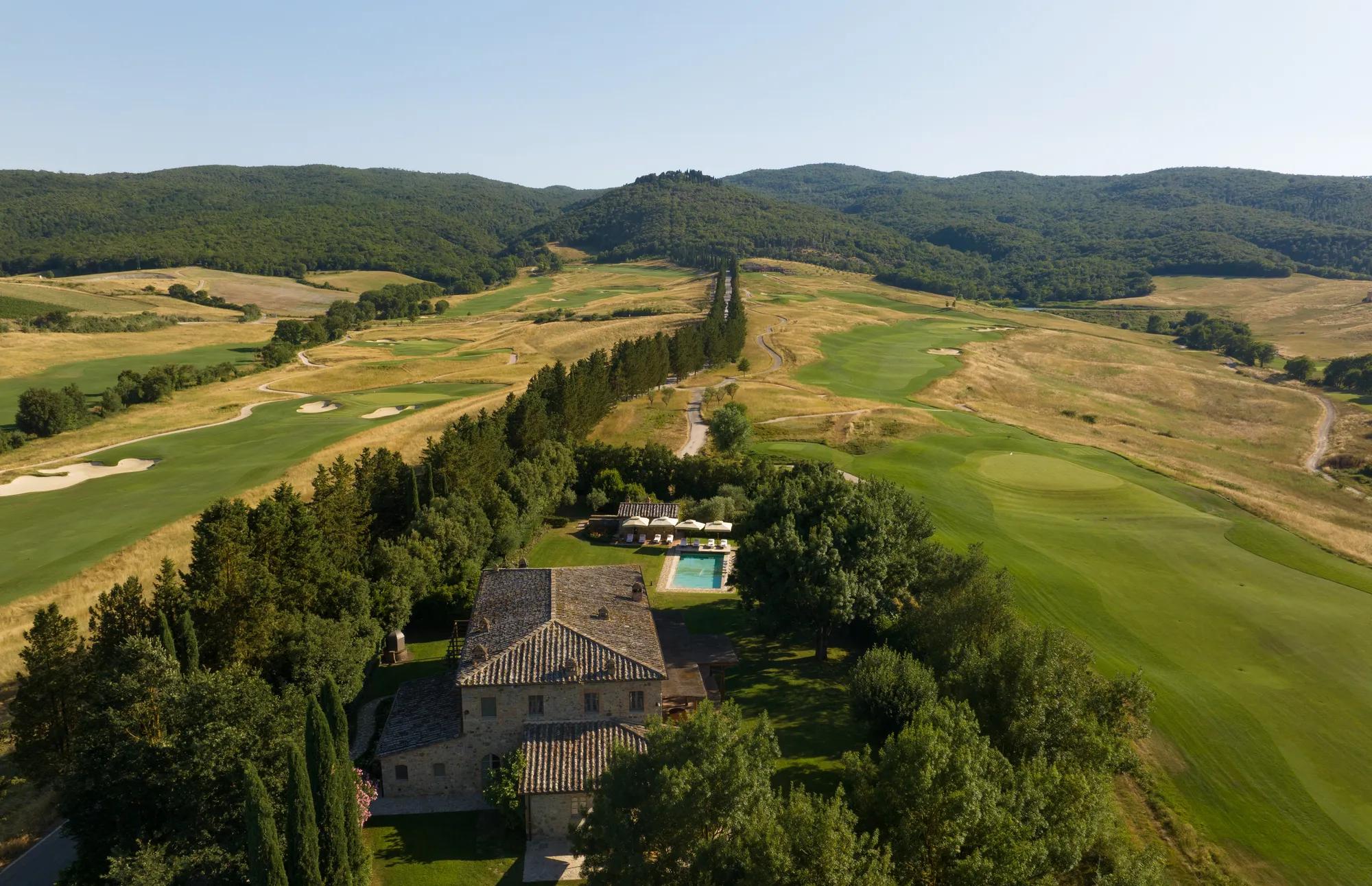
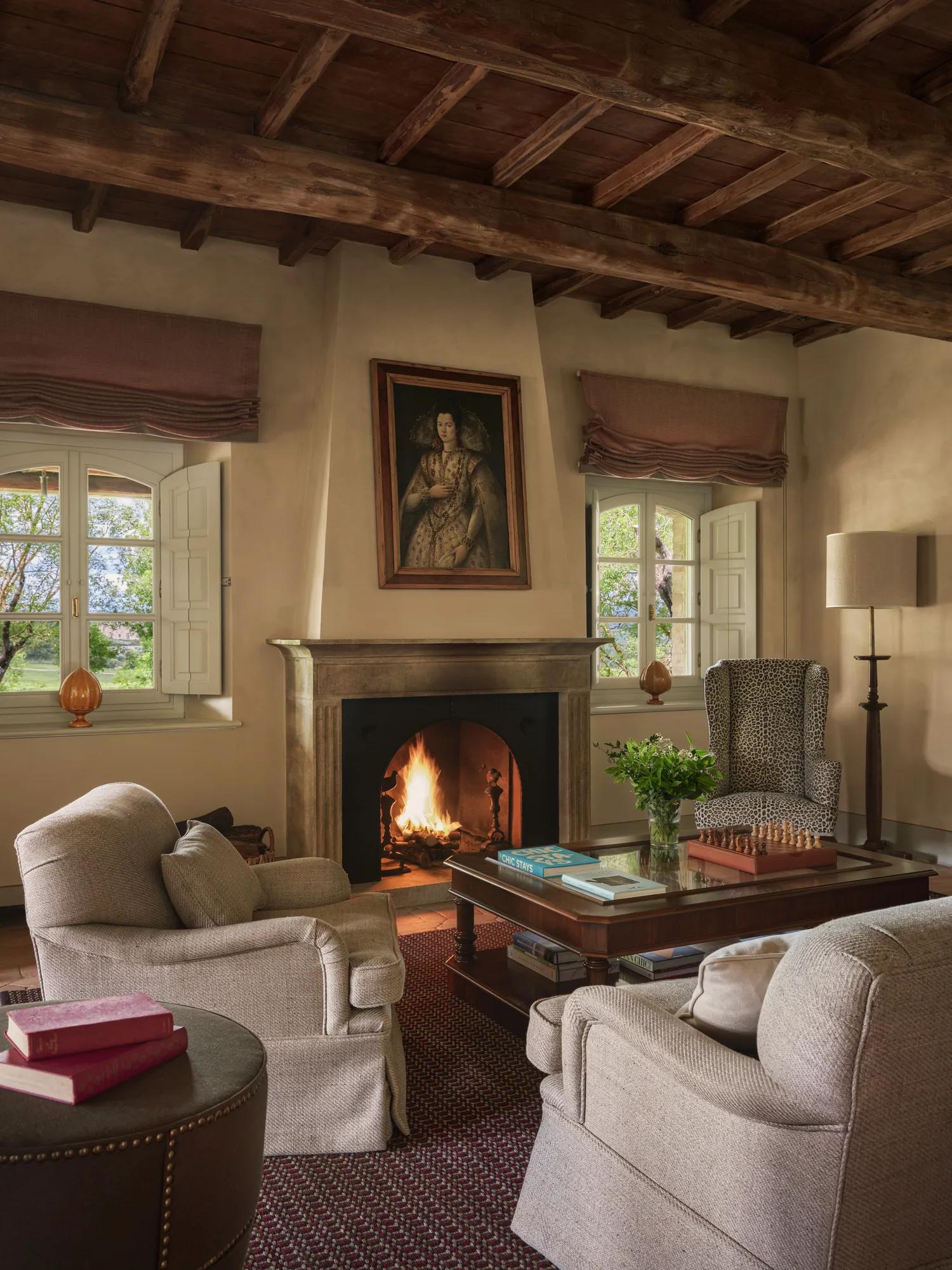
Villa Biondi is a five-bedroom former farmhouse within the Rosewood Castiglion del Bosco estate — a 4,200-acre property in Montalcino that encompasses a working Brunello vineyard, a golf course, and a medieval borgo. The villa operates as a self-contained world: beamed ceilings, polished-tile floors, exposed stone, and a heated pool overlooking UNESCO-listed Val d’Orcia landscape that has barely changed since the 15th century.

The estate’s agricultural character gives it a visual density that most Tuscan luxury properties have edited out. Cypress alleys, harvest cycles, the particular quality of golden afternoon light over working vines. We’d build the shoot around the harvest season and the estate’s farm-to-table kitchen, letting the landscape drive the narrative rather than the interiors alone.
Castiglion del Bosco sits within one of the most visually coherent territories on earth — Val d’Orcia, a UNESCO World Heritage landscape that has looked approximately this way since the Renaissance painters documented it. The Rosewood operates with enough restraint to let that context breathe. The golf course winds through the estate without disrupting the sight lines. The restaurant sources from the estate’s own Brunello di Montalcino production. It all holds together as a single, coherent image of what Tuscan luxury can be when it doesn’t try too hard.

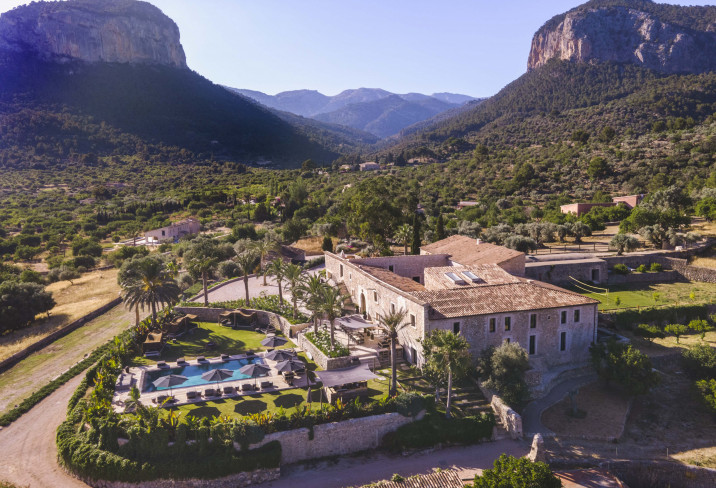
Spirit of Son Fuster — aerial estate
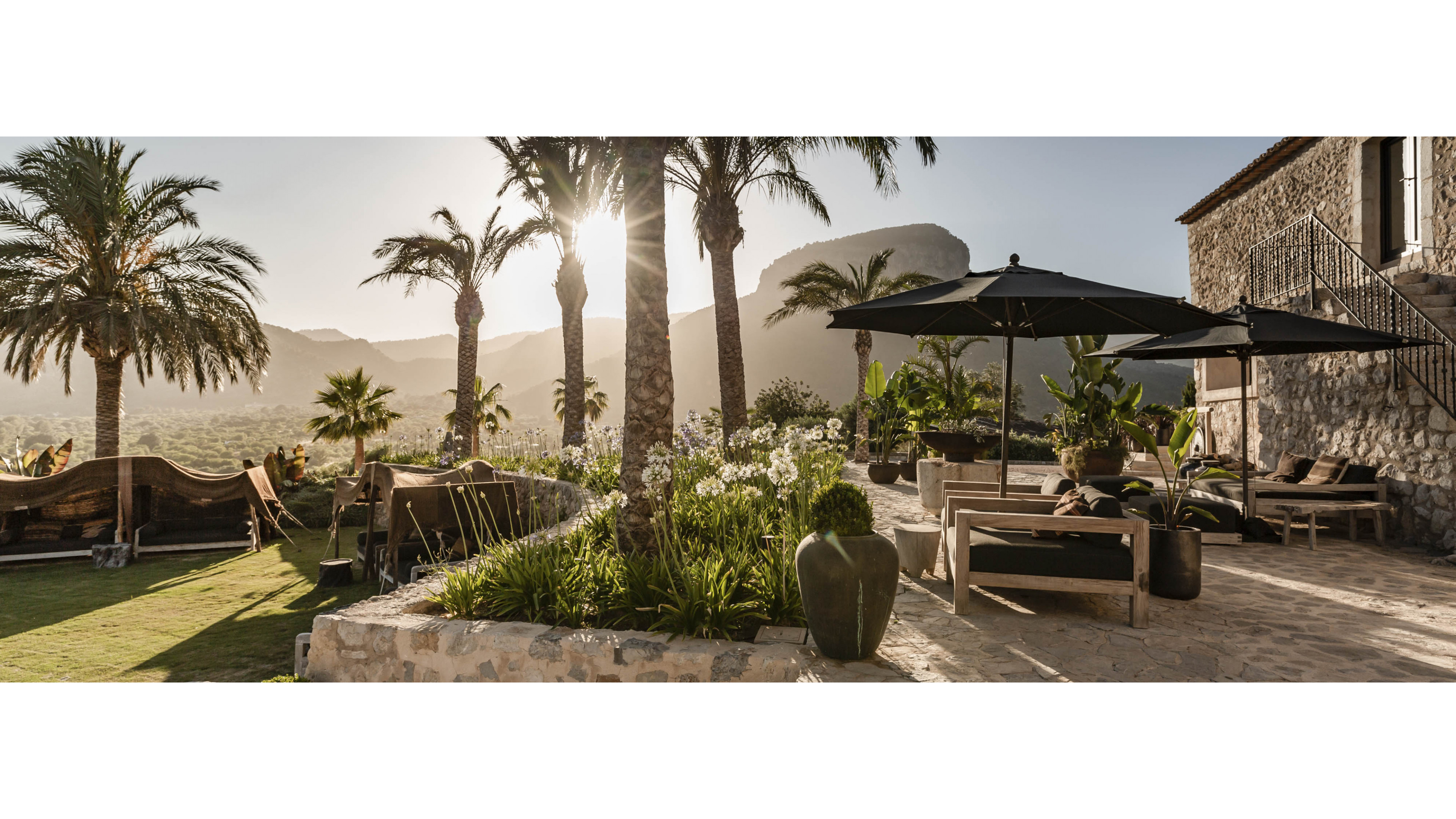
Spirit of Son Fuster — grounds
Spirit of Son Fuster — pool
Spirit of Son Fuster — interior

Spirit of Son Fuster

Alaró — Mallorca, Balearic Islands

A 14th-century olive mill on a 40-hectare private estate in the Tramuntana foothills, north of Alaró. The property houses a single exclusive-use villa — eleven bedrooms across restored stone buildings, mountain views in every direction, and a productive olive grove that was pressing oil on this land before the Mallorcan coastline became what it is today. The interior is sparse in the way that only genuinely old spaces can be: thick walls, irregular floors, light that shifts as the day moves.

Mallorca saturates the market with coastal resort photography. Son Fuster offers something harder to find — the interior. The serra landscape, the terraced groves, the relationship between stone architecture and agrarian land. We’d plan for late afternoon into evening to capture the way shadow moves across the estate’s elevated terrain, and early morning for the stillness that makes millstone-thick walls photograph as atmosphere rather than masonry.

The property accommodates up to twenty-two guests exclusively, which means the experience of shooting here is rare: no other guests, no shared spaces, no schedule imposed by anyone else. The Tramuntana mountains — also a UNESCO World Heritage site — form the backdrop for everything. It’s a property that rewards a multi-day commitment, and the light that falls across an ancient Mallorcan olive grove at the turn of the season is unlike anything the coastline can offer.

Magic Camps Abu Dhabi — Liwa Desert
Magic Camps — tent interior
Magic Camps — desert camp
Magic Camps — dunes at sunset

Magic Camps Abu Dhabi

Liwa Desert — Al Khatim, Abu Dhabi

Magic Camps erects a private Berber-style camp seasonally in the Liwa Desert — Abu Dhabi’s edge of the Empty Quarter, the largest continuous sand desert on earth. Up to twenty guests, entirely private, with a dedicated chef, driver, and attendant. The tents are furnished to a level that the word “glamping” barely covers: proper beds, Persian carpets, curated lighting, bathrooms. The landscape removes every other distraction.

The Rub’ al Khali has a scale that makes the Sahara feel crowded. The dune formations in the Liwa crescent reach 300 metres — the world’s tallest. At magic hour, the colour gradients across a single dune face can span a dozen distinct tones of ochre, copper, and violet. We’d schedule a minimum three-day stay: the golden hour windows are short but extraordinary, and the deep desert at 3am, under a sky with no light pollution, is a different shoot entirely.

There is a particular paradox in photographing a luxury camp: the amenity needs to read as luxurious while the setting needs to read as genuinely remote. Magic Camps resolves it better than most. The tent architecture is sympathetic to the landscape — low, sand-coloured, orientated toward the dunes rather than away from them. The styling doesn’t fight the desert. That’s the brief we’d follow.

Monteverdi Muri Antichi — village house
Monteverdi — terrace view
Monteverdi — suite
Monteverdi — room interior

Monteverdi Muri Antichi

Castiglioncello del Trinoro — Val d’Orcia, Tuscany

The Muri Antichi is a six-bedroom private village house within the Monteverdi estate in Castiglioncello del Trinoro — a restored medieval hamlet in Val d’Orcia with 11th-century foundations, redesigned by Italian architects into something that holds contemporaneity and antiquity simultaneously. The estate has earned two Michelin Keys, maintains Virtuoso and Serandipians status, and feeds guests from its own kitchen garden across multiple dining venues.

What makes this particular to us as a content studio: the property photographs differently in each light cycle, and the village’s elevated position means the Val d’Orcia vista — the most-photographed valley in Italy, for good reason — is always present but never the same. The travertine surfaces, the hand-hewn beams, the way the ancient walls absorb afternoon light. A property that rewards patience and time, which is how we work.

The private village house format is rare even in Tuscany. Monteverdi has restored the hamlet carefully enough that the buildings read as the village they were, not the hotel they’ve become. The Muri Antichi occupies that rarest of categories: genuinely historic, genuinely private, genuinely considered. We’d want at least five days here. The Val d’Orcia light in late afternoon, the kitchen garden at morning, the borgo at night. Three different properties, same address.

Link copied